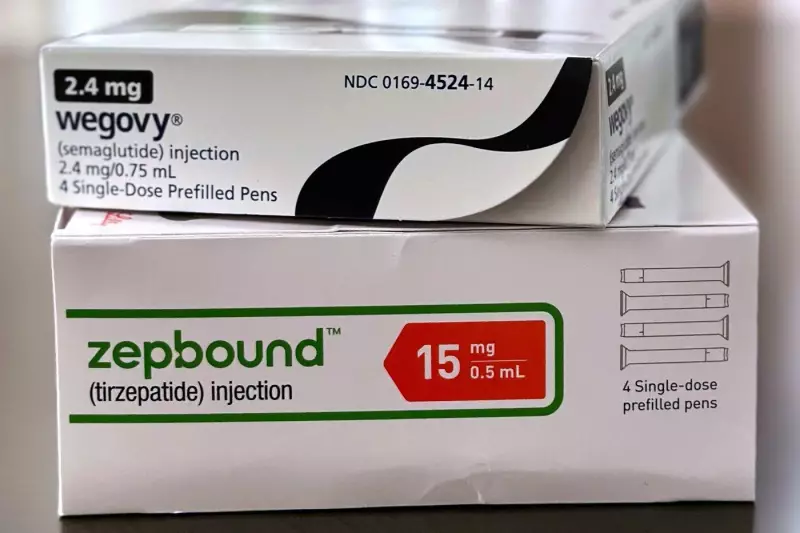
In a significant move aimed at broadening patient access, pharmaceutical leader Eli Lilly has announced a price reduction for its weight-management medication, Zepbound. The decision, reported on December 1, 2025, is expected to make the sought-after treatment more attainable for Canadians struggling with obesity.
Strategic Price Adjustment for Wider Reach
The company confirmed the price cut, though specific figures for the Canadian market were not immediately detailed in the initial report. This strategic pricing shift is seen as a direct response to the soaring demand for GLP-1 receptor agonist drugs, a class that includes Zepbound and Novo Nordisk's Wegovy. These medications have revolutionized obesity treatment but often come with high costs that can be a barrier for patients and healthcare systems.
Zepbound, known generically as tirzepatide, has demonstrated substantial efficacy in clinical trials, leading to significant weight loss. Its arrival on the market intensified competition in the lucrative obesity drug sector. By adjusting its price, Eli Lilly positions Zepbound to compete more aggressively and fulfill its stated goal of ensuring the drug reaches a larger population in need.

Context in a Competitive Market
The announcement highlights the fierce competition and dynamic pricing strategies within the pharmaceutical industry, especially for breakthrough therapies. The growing public and medical interest in GLP-1 drugs for weight management has put a spotlight on their affordability and insurance coverage. A price reduction can alleviate pressure on private insurers and public drug plans considering listing the medication, potentially speeding up reimbursement decisions.
This development follows broader discussions about the long-term economic impact of these drugs, including analyses suggesting they could affect industries like fast food as population health trends shift. For healthcare providers and patients in Canada, a lower price point could mean fewer hurdles in prescribing and obtaining a treatment that can address a serious chronic condition.
Implications for Patients and Healthcare
The primary beneficiary of this decision will be patients. Obesity is a complex chronic disease associated with numerous comorbidities, including type 2 diabetes and heart disease. Improved access to effective pharmacological tools is a critical component of comprehensive care. A more accessible price for Zepbound provides another valuable option for Canadians and their doctors when developing personalized treatment plans.
For the Canadian healthcare landscape, this move may influence formulary negotiations and set a new benchmark for the value of anti-obesity medications. It underscores the role of market competition in shaping drug pricing and accessibility. As the landscape evolves, continued attention will be paid to how these drugs are integrated into standard care pathways across the country.
Eli Lilly's price adjustment for Zepbound marks a pivotal step in the ongoing effort to make innovative obesity treatments more accessible, reflecting a balance between corporate strategy and public health need in the Canadian market.