For the millions of Canadians living with chronic pain, managing daily life is a constant challenge. That challenge has been sharply intensified by ongoing nationwide shortages of essential pain control medications, creating a landscape of anxiety and uncertainty for patients who rely on these drugs for basic function.
The Daily Reality for Patients
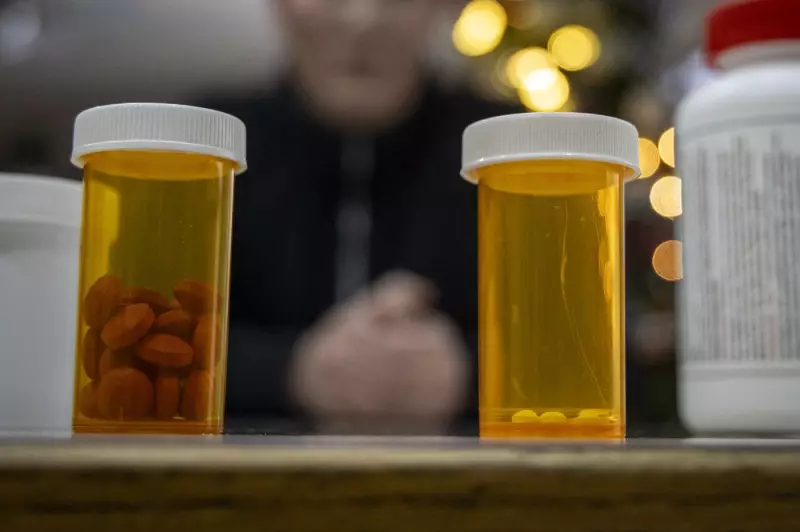
Individuals like Shawna Dunn in Calgary, photographed on December 5, 2025, sorting her medication, represent the human face of this crisis. The shortages force patients into a relentless cycle of calling multiple pharmacies, rationing doses, and facing the terrifying prospect of debilitating withdrawal or unmanaged pain. This is not a temporary inconvenience but a sustained threat to their health and stability.
The situation highlights a fragile pharmaceutical supply chain. While specific drugs in short supply fluctuate, the categories often include certain opioids, anti-inflammatories, and other analgesics critical for conditions like arthritis, nerve damage, and post-surgical pain. Patients report that shortages appear without warning, leaving them and their healthcare providers scrambling for alternatives that may be less effective or cause different side effects.

Broader Health System Impacts
These medication shortages create ripple effects throughout the healthcare system. Doctors and pharmacists spend increased time sourcing medications instead of providing direct care. Emergency departments may see more visits from patients experiencing acute pain crises when their regular prescriptions cannot be filled. The mental health toll on patients, already dealing with chronic illness, is significant, compounding stress and anxiety.
The issue intersects with other health news, such as the reported sharp increase in flu cases at CHEO in December, which strains resources further. It also exists alongside ongoing discussions about healthcare policy and pharmaceutical management at both federal and provincial levels. The shortage is a stark reminder of the dependency on a complex, global supply chain for essential goods.
Navigating an Uncertain Future
For now, patients are left to navigate this uncertainty on their own. Strategies include building relationships with specific pharmacists who might hold limited stock, exploring alternative therapies with their doctors—though these are often not covered by insurance—and advocating for themselves in a system stretched thin. The problem is national in scope, affecting urban and rural communities alike, though access issues can be more severe outside major city centers.
The persistence of these shortages calls for a coordinated national strategy. This would involve better early warning systems about potential disruptions, increased domestic manufacturing capacity for critical drugs, and clear communication protocols to guide patients and practitioners during supply gaps. Until systemic solutions are implemented, the burden will continue to fall disproportionately on those least able to bear it: the patients for whom these medications are not a luxury, but a necessity for daily life.