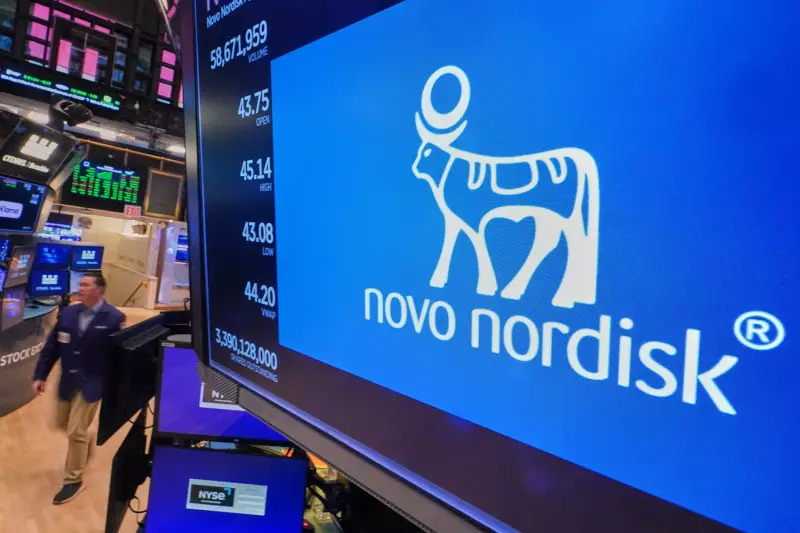
The chief executive of Danish pharmaceutical giant Novo Nordisk has revealed a significant figure shaping the market for weight-loss and diabetes medications. The company estimates that approximately 1.5 million people in the United States are currently using compounded versions of popular GLP-1 receptor agonist drugs.
A Significant Shadow Market Emerges
The statement, made on January 12, 2026, highlights the substantial demand for drugs like semaglutide, which is the active ingredient in Novo Nordisk's branded products Ozempic and Wegovy. Compounding pharmacies create customized medications, and in this case, they are producing versions of these in-demand GLP-1 therapies. This practice has surged due to widespread shortages of the brand-name drugs, driven by unprecedented consumer demand.
While compounding can provide vital access to medications during shortages, it operates in a different regulatory space than large-scale drug manufacturing. The U.S. Food and Drug Administration (FDA) has previously issued warnings about certain compounded semaglutide products, noting potential safety risks if they are not produced correctly.

Regulatory and Safety Considerations
The CEO's disclosure puts a concrete number on a phenomenon that has concerned both regulators and the branded pharmaceutical industry. The scale—1.5 million users—underscores a massive parallel market. Patients may turn to compounded versions due to lower cost or availability, but they may not be receiving the exact formulation approved by health authorities.
Novo Nordisk has been actively defending its patents and has filed lawsuits against some medical spas and compounding pharmacies it alleges are using improper ingredients. The company maintains that only its FDA-approved products have undergone rigorous testing for safety, efficacy, and consistent quality.
Implications for Patients and the Market
This revelation has several key implications. For the healthcare system, it points to a significant access issue where official supply chains cannot meet patient demand. For investors and market analysts, it illustrates the immense popularity of GLP-1 drugs and the competitive pressures even beyond rival branded products.
Most critically, for patients, it highlights an important choice. While compounded drugs offer a potential pathway to treatment, experts advise consulting healthcare providers about the sourcing, purity, and regulatory status of such medications. The figure of 1.5 million users confirms that compounded GLP-1 drugs are a major, established part of the U.S. treatment landscape, warranting continued scrutiny from all stakeholders involved.