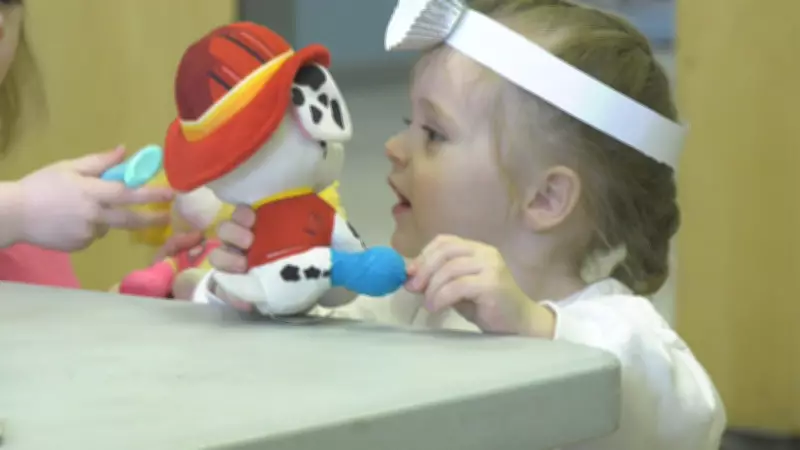
Teddy Bear Clinics in Spruce Grove Help Children Overcome Medical Fears
On March 27, 2026, the Spruce Grove Public Library transformed into a whimsical medical haven, hosting a teddy bear clinic designed to alleviate children's anxieties about doctor visits. This innovative event invited young participants to bring their beloved stuffed animals for mock check-ups, creating a safe and engaging environment to demystify healthcare procedures.
A Playful Approach to Serious Learning
The clinic provided hands-on activities where children could role-play as caregivers for their teddy bears, learning about basic health concepts in a fun and interactive manner. By simulating medical scenarios with their toys, kids gained confidence and familiarity with tools like stethoscopes and bandages, reducing the fear often associated with real-life appointments.
This initiative addresses a common issue in pediatric care: many children experience significant stress when visiting doctors or hospitals. Events like these bridge the gap between play and education, helping to normalize medical experiences from an early age.

Community Impact and Educational Value
Public libraries, such as the one in Spruce Grove, are increasingly becoming hubs for community health education. The teddy bear clinic not only served as an entertaining outing but also reinforced important messages about wellness and preventive care. Parents reported that their children left the event with a more positive outlook on health visits, which can lead to better cooperation during actual medical treatments.
Similar programs have been implemented in various regions, demonstrating their effectiveness in promoting emotional resilience among young attendees. The library's staff and volunteers ensured that each child received personalized attention, making the experience both educational and memorable.
Long-Term Benefits for Child Development
Experts emphasize that early exposure to medical concepts through play can have lasting benefits. Children who participate in such clinics often exhibit reduced anxiety during future healthcare interactions, which can improve overall health outcomes. Additionally, these events foster empathy and caregiving skills, as kids learn to tend to their stuffed companions.
The success of the Spruce Grove teddy bear clinic highlights the importance of community-based initiatives in supporting children's mental and physical well-being. As healthcare systems evolve, integrating playful learning into public spaces offers a promising strategy to build healthier, more informed generations.