Why These Are Sobering Times for Alcohol Companies
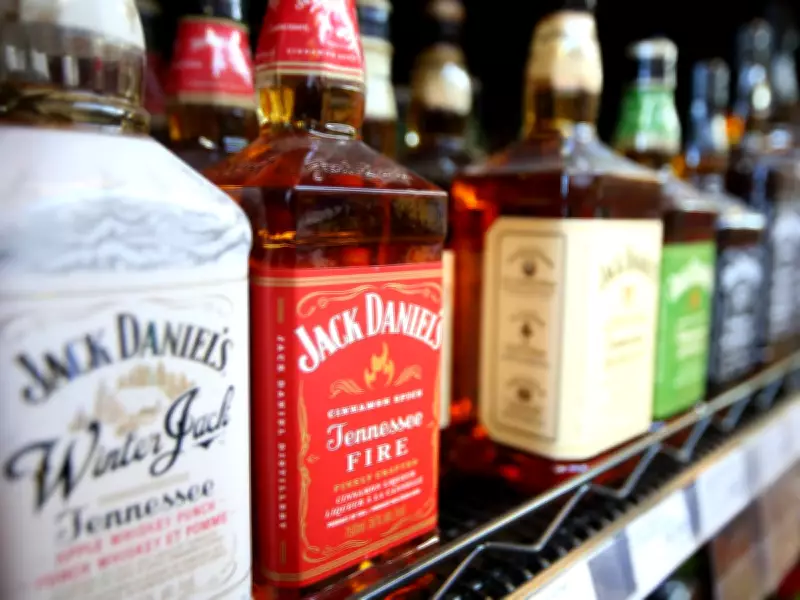
A change in drinking habits is upending the industry and costing businesses billions of dollars. For years, alcohol companies counted on steady global demand as drinking remained deeply woven into social life and consumer culture. But today, health concerns and tighter household budgets are prompting people to drink less. The shift is rippling through the drinks industry, wiping hundreds of billions of dollars from the market value of major beer, wine and spirits companies and forcing producers to cut costs, replace executives and roll out new offerings. Here’s what’s driving the decline in alcohol consumption, where it’s most pronounced, and how the industry is adapting to what may be a new norm.
How Much Is Drinking Down?
From 2019 to 2025, consumption of alcohol, as measured by servings, fell at a compound annual rate of two per cent, according to analysis of preliminary industry data from IWSR, a drinks market research firm. That means servings declined on average two per cent per year for the period. Measuring by servings takes into account that a single beer has greater volume than, say, the shot of gin that goes into a cocktail. The IWSR data covered 21 countries and global duty-free retail, which collectively represent about 75 per cent of the worldwide market. All alcohol categories — beer, wine, spirits, hard cider, and RTDs or “ready-to-drink” cocktails — were included.
The decline is in keeping with a global trend of falling alcohol demand, as measured by per capita consumption by volume, that started a decade ago, according to the World Health Organization. IWSR, measuring overall consumption by servings, has registered the same pattern, with a blip during the global COVID-19 pandemic when bored drinkers indulged at home. Consumption rose 2.3 per cent from 2020 to 2021 but began to fall again as of 2022, according to IWSR data, dropping 2.8 per cent in 2025 as compared with 2024.

People are drinking less in part because they’re drinking less often. In a global Euromonitor survey, 23 per cent of respondents said they drank weekly in 2025, down from 25 per cent in 2020. An increasing share of consumers is saving drinking for special occasions.
Trends Vary by Drink Type
Beer, historically a dominant seller among alcoholic beverages, is now one of the worst performers. Its position has been eroded by the rise of alternatives such as RTDs, such as those marketed under the brands White Claw and BuzzBallz. These beverages answer the demands of drinkers for convenience, driving consumption, as measured by volume, up two per cent in 2025, IWSR said. Even with favourable weather or major sporting events, beer sales by volume remain below historical baselines — pointing to long-term stagnation, Scope Ratings analysts said in a note.
Where Is Drinking Falling?
The compound annual drop-off in alcohol servings from 2019 to 2025 measured by IWSR was especially sharp in China: six per cent. There, the government is cracking down on extravagance among public officials, banning alcohol at official events and disincentivizing luxury gifting. That’s hurt makers of baijiu, a traditional Chinese distilled spirit. Producer Sichuan Swellfun Co. reported a 42 per cent decline in revenue in 2025 to about 3.04 billion yuan (US$445 million).
The common narrative that members of Gen Z (aged between 14 and 27) are teetotalers is an exaggeration. But there is evidence of a generational difference in drinking habits. Younger consumers are more health-conscious and budget-aware, leading to reduced alcohol intake. This shift is forcing companies to adapt by introducing low-alcohol or alcohol-free options, investing in marketing campaigns that emphasize moderation, and restructuring their operations to cut costs.
Industry giants are responding to the changing landscape. Some are replacing top executives to bring fresh perspectives, while others are divesting underperforming brands. The rise of non-alcoholic beers, mocktails, and functional beverages is a direct response to consumer demand for healthier alternatives. Despite these efforts, the long-term outlook remains challenging, with many analysts predicting that the decline in alcohol consumption is not a temporary trend but a lasting shift in consumer behavior.