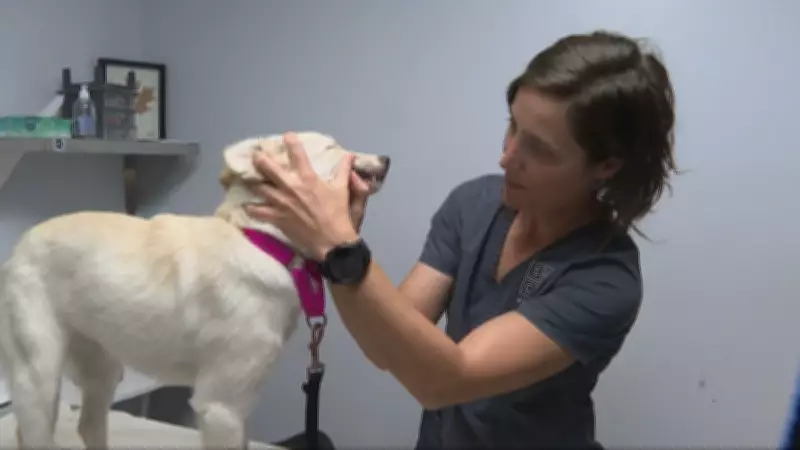
Veterinarians are raising urgent concerns about the dangers of Parvovirus in dogs and cats following the death of a dog in Montreal. The incident has prompted experts to emphasize the critical importance of vaccinating pets against this highly contagious and potentially fatal disease.
What Is Parvovirus?
Parvovirus is a highly infectious virus that primarily affects dogs and cats, causing severe gastrointestinal symptoms such as vomiting, diarrhea, and dehydration. It can be especially deadly in young puppies and kittens, as well as in unvaccinated animals. The virus is resistant to many common disinfectants and can survive in the environment for months, making prevention through vaccination essential.
Vaccination Is Key
Dr. Sarah Thompson, a Montreal-based veterinarian, stresses that vaccination is the most effective way to protect pets. "Parvovirus is entirely preventable with proper vaccination," she says. "Unfortunately, some owners neglect booster shots, leaving their pets vulnerable." The death of the dog in Montreal serves as a stark reminder of the consequences of skipping vaccinations.

How Parvovirus Spreads
The virus spreads through direct contact with infected animals or contaminated surfaces, including food bowls, bedding, and even human hands. Symptoms typically appear within three to seven days of exposure and can progress rapidly. Early treatment is crucial but does not guarantee survival, especially in severe cases.
Signs to Watch For
Pet owners should be alert for symptoms such as lethargy, loss of appetite, fever, vomiting, and bloody diarrhea. If any of these signs appear, immediate veterinary care is needed. Treatment often involves hospitalization, intravenous fluids, and supportive care, which can be costly and stressful for both pets and owners.
Community Response
Local animal shelters and veterinary clinics are using this incident to launch awareness campaigns. They are offering low-cost vaccination clinics and urging pet owners to check their animals' immunization records. "We don't want to see another preventable death," says Dr. Thompson. "A simple vaccine can save a life."
Protecting Your Pet
Veterinarians recommend that puppies receive their first Parvovirus vaccine at six to eight weeks of age, with boosters every three to four weeks until they are 16 weeks old. Adult dogs need annual boosters. For cats, a similar schedule applies. Owners should also practice good hygiene, such as washing hands after handling other animals and disinfecting surfaces.
The tragic loss of the dog in Montreal has reignited the debate about mandatory pet vaccinations. While some jurisdictions require rabies shots, Parvovirus vaccination is often optional. Advocates argue that making it mandatory could prevent future outbreaks and save lives.
In the meantime, veterinarians urge all pet owners to act responsibly. "Don't wait until it's too late," warns Dr. Thompson. "Vaccinate your pets and keep them safe."