Escaping the Endless Diet Cycle: A New Approach to Sustainable Health
Every January, Canadian gyms see a predictable surge in memberships, only to witness a wave of cancellations by February. This annual pattern reflects our collective struggle with weight management resolutions that rarely last beyond the first few weeks of the new year. Despite the constant stream of miracle diets, metabolism hacks, and pharmaceutical solutions, obesity rates continue to climb alongside increasing rates of diet burnout and frustration.
The Fundamental Flaw in Traditional Weight Loss Approaches
We're living through what might be one of the most confusing eras in health history. Canadians are exhausted from chasing willpower and quick fixes that inevitably fail to deliver lasting results. The conventional "eat less, move more" paradigm treats weight loss as a simple behavioral equation to maintain indefinitely, completely ignoring the complex biological mechanisms that actively push back against sustained calorie restriction.
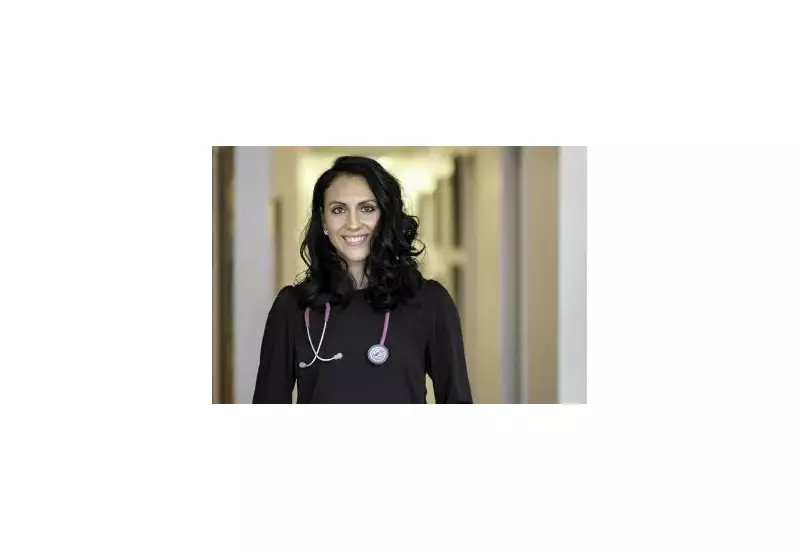
"Most weight struggles aren't fundamentally about calories," explains Dr. Allana Polo, a Vancouver-based naturopathic doctor and author of The Hunger Code. "There are countless programs and diet books available, but until a person genuinely connects with why they're eating or why they're struggling, they'll continue riding the dieting roller-coaster. I want to help people get off that destructive cycle permanently."

Understanding the Six Hunger Types
Dr. Polo's revolutionary approach centers on identifying your dominant hunger type as the key to breaking free from restrictive diet patterns. She has identified six distinct hunger personalities that drive our eating behaviors, with only one representing true physical need.
The six hunger types include:
- Head Hunger: Eating because the clock indicates it's time for a meal, or because you believe you should fuel up to prevent future hunger.
- Heart Hunger: Using food to soothe emotional distress when feelings become overwhelming.
- Habit Hunger: Automatic eating triggered by specific activities or environments, like reaching for popcorn at the movies.
- Hormone Hunger: Biological hunger signals that become stuck in survival mode, refusing to normalize even when physical needs are met.
- Hypersensitivity Hunger: Confusing signals sent to the brain due to gut inflammation or digestive issues.
- Healthy Hunger: The only type representing genuine physical hunger that actually requires nourishment.
"There's biology at play, there's brain chemistry, there's habits and conditioning," Dr. Polo emphasizes. "Understanding which hunger type primarily drives your eating decisions can fundamentally change your relationship with food and your body."
Practical Tools for Sustainable Transformation
This approach moves beyond restrictive dieting toward awareness, compassion, and creating intentional space between impulse and action. The initial step involves developing conscious awareness of actual eating patterns without judgment or immediate change.
Dr. Polo recommends that her clients log their meals in a tracking app like MyFitnessPal for two weeks without altering their normal eating habits. The objective isn't calorie counting or restriction, but simply gathering accurate information about current patterns. This data becomes the foundation for identifying which hunger types dominate individual eating behaviors.
Naturopathic doctors like Dr. Polo differ from medical doctors in their focus on natural treatments and identifying root causes of health issues. In British Columbia, where Dr. Polo practices, naturopathic doctors who complete special certification courses are permitted to prescribe certain medications, including antibiotics, though their primary approach emphasizes holistic understanding of bodily systems.

The solution to chronic diet cycling isn't another restrictive plan, but rather developing the self-awareness to distinguish between different hunger signals and responding appropriately only to genuine physical need. By addressing the underlying drivers of eating behaviors rather than simply counting calories, Canadians can develop sustainable approaches to health that don't rely on willpower alone.