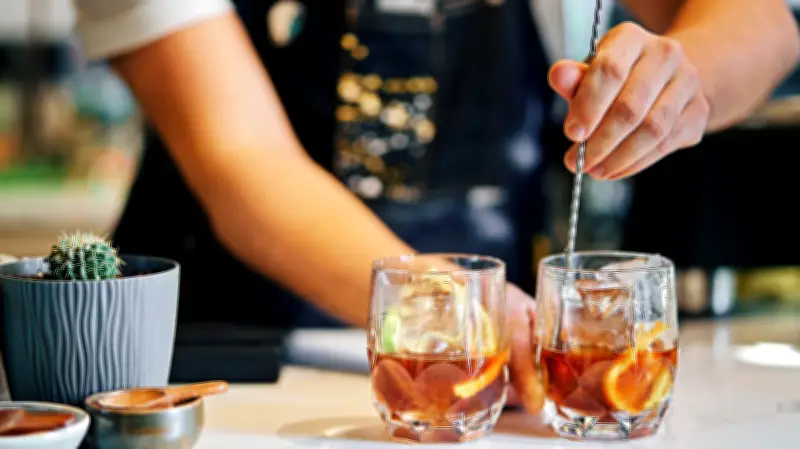
Hard liquor, such as vodka, whiskey, and rum, has a high alcohol content (40% to 50% ABV) that can negatively affect taste sensitivity. According to Cody Bridges, a restaurant operations manager and resort sommelier at Massanutten Resort in Virginia, "Because it blocks the proteins needed to create saliva in your mouth, hard liquor can dehydrate the cell walls of your palate." This drying effect reduces saliva production, which is essential for taste perception. Additionally, Sam Favata, beverage director at Olamaie in Austin, Texas, notes that hard liquor can have a numbing effect, "reducing your ability to discern the intricate flavors and aromas in the wine you have later at dinner." This temporary numbness can alter perception of acidity and sweetness, leading to a less balanced tasting experience.
Avoid High-Proof and Sugary Cocktails
Sommelier Billy Turner of Kimpton Shane Hotel in Atlanta advises steering clear of "anything high-proof or any cocktail that is strictly liquor, such as a Manhattan, old-fashioned or martini." Sugary drinks are also problematic. Cyrus Schultz, beverage director at Cyrus in Geyserville, California, explains, "A sweet drink can coat your palate. Then, if your next beverage is drier, it might taste more bitter." Mari Coyle, vice president of winemaking at Foley Family Wines, agrees: "Strongly flavored cocktails, or those made with sweet cocktail mixers, can overwhelm your palate and make it difficult to appreciate the flavor of your meal later on." Alex Ring, Michelin Guide Chicago 2023 sommelier award winner, emphasizes that quantity matters: "The more you drink, the more you dull your senses." Moderation is key, as Turner states: "Like most things, it comes down to moderation. Anything you take in will have an effect on taste and perception."
Opt for Aperitivos: Low-Alcohol, High-Acidity Choices
Experts recommend aperitivos for predinner sipping. Bridges says, "They're low in alcohol and pleasant on the palate, so they're the best way to start a night full of spirits and wine." Turner adds, "High-ABV liquors can dampen your appetite, while those lower in alcohol will enhance it. Many aperitivos are also higher in acidity, which does two important things: It awakens your taste buds and cleanses your palate." Coyle notes that aperitivos "contain herbs and spices that promote digestion, and they have a slightly bitter taste that primes your taste buds." Examples include Aperol spritz or Negroni. Schultz suggests asking for something "leaner, lower in alcohol, acid-driven and chiseled." Favata emphasizes hydration: "Drinking water between your cocktail and wine can help cleanse your palate and rehydrate you, enhancing your overall dining experience."

Inform Your Sommelier for Better Wine Pairings
Bridges advises, "If you've had a few predinner cocktails, let the sommelier know before you order wine." Favata says this helps them "suggest wines that will complement your previous drinks or select wines with flavors that will stand out despite any palate fatigue." He recommends easing into wine with "a crisp white wine like a sauvignon blanc, or a light red like a pinot noir. Sparkling wines or rosés are also great options." Avoid "wines with high tannin levels or very subtle flavors," which might seem flat after a cocktail. Ring uses cocktail preferences to guide wine choices: "A whiskey drinker might be more likely to enjoy a rich, oaked red wine, whereas someone who drinks gin martinis might enjoy a more refreshing white wine." Coyle suggests matching wine notes to the cocktail: "If you've had a citrusy cocktail, a wine with similar notes can provide a harmonious transition." Ultimately, the goal is to enhance the dining experience, ensuring each element is fully enjoyed.