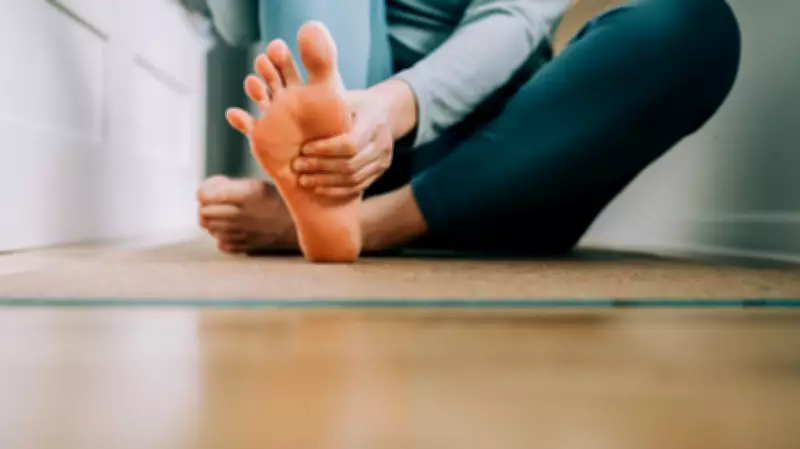
Most people don't spend much time thinking about the arch of their foot — until foot or ankle pain becomes a problem. The foot is designed to have an arch, which supports body alignment, absorbs shock, and aids walking on uneven surfaces. However, roughly 25% of adults have flat feet, meaning they have no arch at all, so the soles touch the ground when standing, according to Dr. Jesse N. Charnoff, a spine and sports medicine physiatrist at the Hospital for Special Surgery in New York.
Development and Causes of Flat Feet
Dr. Nicole Nicolosi, a foot and ankle surgeon at the Cleveland Clinic, notes that everyone is born with flat feet, and children typically develop an arch between ages 7 and 10. Genetics, injuries, or conditions like rheumatoid arthritis can cause flat feet in adulthood. Of the 25% of adults with flat feet, only about 1 in 10 experience symptoms requiring treatment, says Charnoff. Nicolosi explains that most people with flat feet can live long, happy lives without any issues.
Potential Health Issues Related to Flat Feet
Some individuals may experience pain due to the body compensating for the lack of arch. Dr. Amiethab Aiyer, chief of foot and ankle surgery at Johns Hopkins, explains that the body redistributes weight across the foot's tripod, shifting to the outside. This can cause pain on the outside of the foot, in front of the ankle, or along the back of the ankle. Plantar fasciitis or general foot fatigue may also occur.

Overcompensation from flat feet can lead to arthritis-related issues in the knees and hips due to altered gait mechanics. Tendonitis is also common, particularly in the posterior tibial tendon, which supports the arch. When this tendon is deficient, it is prone to inflammation, causing tenderness or dull pain.
When to Seek Medical Advice
If you have flat feet without symptoms, no treatment is necessary. However, if you notice limping, changes in walking, or pain during regular activities, consult a doctor. Sudden onset of flat feet after an injury may indicate damage to supporting structures and requires medical evaluation. Treatment options include physical therapy, orthotics (arch supports), or surgery in some cases. Nicolosi recommends supportive shoes for everyone with flat feet to prevent pain and future issues.