If you are past the age of 40 and still eating like the young person you used to be, aging experts suggest it is time to reconsider your dietary habits. While being in your 40s places you in middle adulthood, the prospect of old age is approaching. The good news is that how you manage the next few decades can significantly influence the quality of your later years. We consulted experts in aging and longevity to identify eating habits observed in their healthiest older patients. They offered recommendations for filling your plate now to enhance daily energy and vitality, as well as to promote a vibrant old age.
Your 40s: The Ideal Time to Improve Nutrition
If you think there is plenty of time to protect your health in old age, experts say your 40s are actually an excellent time to start building a foundation of nutritious choices. What you begin or stop doing now could substantially extend your life expectancy. Dr. Amit Shah, a geriatrician and internal medicine physician at Mayo Clinic, referenced a modeling study published in the Public Library of Science. The study found that 40-year-olds switching from a typical Western diet to an optimal diet—rich in legumes, nuts, and whole grains, with less red and processed meat—could increase life expectancy by approximately 10 years for women and 11.7 years for men.
Top Longevity Foods
1. Eat More Plants
Dr. Shah emphasizes that consuming more plants and less meat improves the odds of a long and healthy old age. He states that the single dietary habit most consistently observed in individuals who age exceptionally well is long-term adherence to a predominantly plant-based, minimally processed dietary pattern.

2. Nuts, Seeds, and Legumes
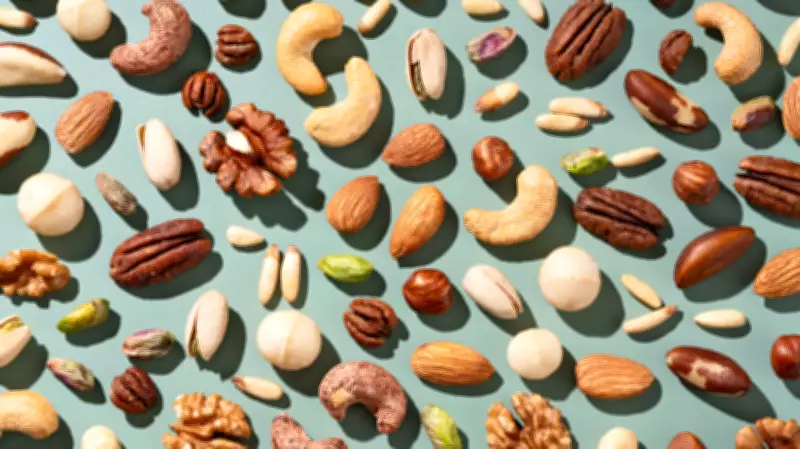
Dr. Dariush Mozaffarian, a cardiologist and director of the Food is Medicine Institute at Tufts University, notes that nuts and seeds are remarkably healthful. They are life-giving packages of healthy fats, fibers, phenolics, and other bioactives. Gram for gram, nuts are one of the most potent foods, yet they are underconsumed by Americans. Dr. Shah adds that legumes such as beans, lentils, peas, and peanuts also provide significant mortality reduction based on current evidence.
3. Adequate Protein
Dr. Lucinda A. Harris, a professor at Mayo Clinic Alix School of Medicine, explains that protein is essential for building muscle, and many people, especially women, do not get enough. Some researchers suggest older adults need 1.2 to 1.6 grams of protein per kilogram of body weight, higher than the current RDA of 0.8 grams. For a 150-pound person, this means about 109 grams of protein daily. Adequate protein combined with exercise helps build muscle mass, which prevents insulin resistance and reduces the risk of fatty liver and obesity.
4. Whole Foods Over Smoothies
Dr. David Agus, a medical oncologist and author, advises chewing more and sipping less. He explains that humans are designed to chew food, and the gastrointestinal system absorbs nutrients better from whole foods. Processed foods, shakes, and smoothies offer less benefit. He simplifies: we were made to eat oranges, not drink orange juice.
5. A Little Treat
While advocating for less sugar overall, Dr. Harris notes that a small amount of dark chocolate is still beneficial.
Habits of Thriving Older Adults
Experts observe common lifestyle factors among their healthiest older patients. Dr. Shah emphasizes maintaining a Goldilocks weight—not too high, not too low—as being underweight after age 65 can be as dangerous as being overweight. Jenny Witherspoon, a registered dietitian specializing in aging services, notes that successful agers eat mostly real food, not food-like products. Movement is a normal part of their lifestyle, and they typically do not drink alcohol. Consistency with real food, regular movement, and little to no alcohol are key.

Recommended Diets
Dr. Shah recommends the Mediterranean diet, the DASH diet, and the MIND diet, which combines the two to optimize brain health and reduce dementia risk. These diets can be adapted to any culture. Dr. Agus agrees that randomized studies show the best results with the Mediterranean diet. Dr. Harris also supports this diet, noting it includes less processed food, more fruits and vegetables, and healthy fats like olive oil. Finally, Witherspoon advises choosing an evidence-based eating pattern that is realistic and sustainable, paired with exercise for the greatest benefit.