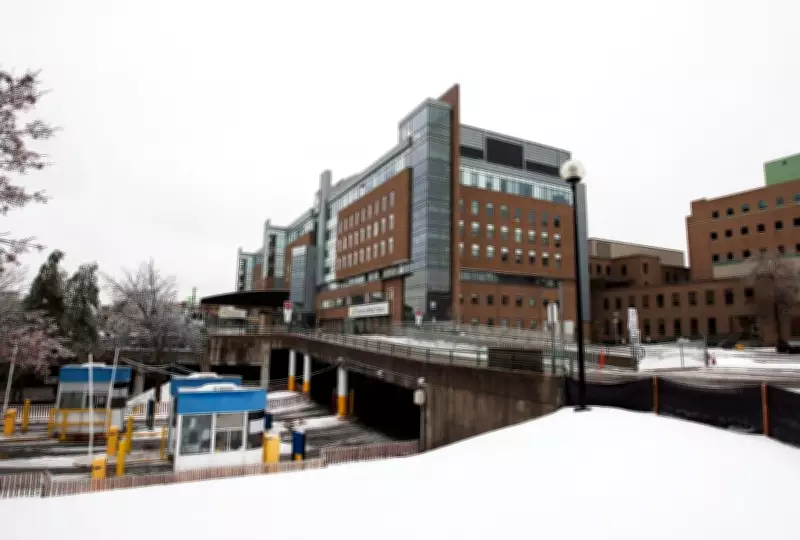
Toronto Lawyer's Transformative $10 Million Gift to Sunnybrook's OCD Program
A prominent Toronto lawyer has made an extraordinary philanthropic gesture, donating $10 million to Sunnybrook Hospital's Obsessive-Compulsive Disorder (OCD) program. The substantial contribution comes directly from personal experience, with the donor attributing the specialized treatment he received at Sunnybrook with providing what he describes as a complete "life reset." This remarkable donation is poised to significantly enhance the program's capabilities and reach, potentially transforming care for countless individuals struggling with OCD in the Greater Toronto Area and beyond.
A Personal Journey Fuels Generosity
The donor, whose identity remains private at this time, underwent treatment for OCD at Sunnybrook. He has spoken candidly about the profound impact the program had on his wellbeing, stating that the evidence-based therapies and support he received were instrumental in reclaiming his life from the debilitating grips of the disorder. His journey from patient to benefactor underscores the powerful, life-altering potential of effective mental healthcare. This personal connection to the cause is a driving force behind the donation, with the lawyer expressing a deep desire to ensure others have access to the same quality of care that proved so transformative for him.
Expanding Access and Advancing Care
The $10 million infusion of funds is earmarked specifically for the hospital's OCD program. Hospital officials have outlined several key areas where the donation will make an immediate and lasting difference:

- Program Expansion: Funding will be used to increase the number of patients the program can serve, reducing wait times and expanding access to cutting-edge treatments.
- Research Initiatives: A portion will support clinical research aimed at developing new, more effective therapeutic approaches for OCD.
- Specialist Training: Resources will be allocated to train more healthcare professionals in the latest, evidence-based methods for diagnosing and treating OCD.
- Community Outreach: Efforts will be made to raise awareness about OCD, reduce stigma, and connect more people in need with available services.
Sunnybrook's leadership has hailed the donation as a "game-changer" for mental health services in the region. They emphasize that such a significant private gift allows for ambitious projects that might not be possible through public funding alone, accelerating innovation and capacity in a critical area of healthcare.
The Broader Impact on Mental Health Philanthropy
This act of generosity arrives at a time when mental health services are under increased demand and scrutiny across Canada. The donor's public attribution of his gift to his own successful treatment serves as a powerful testament to the efficacy of specialized mental health programs. It also highlights the growing trend of philanthropy directed toward mental health, an area that has historically received less charitable funding compared to other medical fields. Experts suggest that high-profile donations like this one can inspire others to contribute, helping to destigmatize mental health conditions and channel vital resources into treatment and research.
The story of this Toronto lawyer's "life reset" and subsequent $10 million donation stands as a compelling narrative of hope, recovery, and paying it forward. It underscores the tangible difference that targeted healthcare interventions can make in individual lives and the broader community, setting a new benchmark for support in the ongoing effort to improve mental health outcomes for all.