A Mother's Airport Ordeal: Protecting Her Autistic Son from Judgment
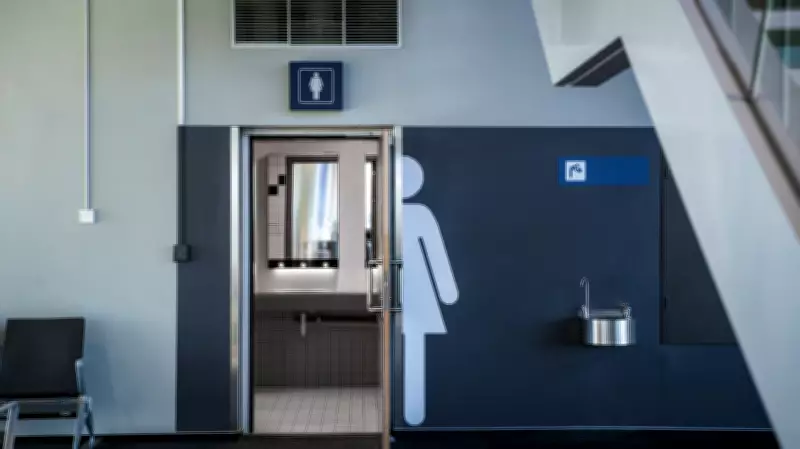
As my daughter and I emerged from our stalls in the bustling airport restroom, I spotted my son waiting patiently in the corner. He had come in after using the men's room next door. Given his tendency to wander off in airports, I felt a wave of relief seeing him there. "Love, thank you for coming in and waiting for us," I told him warmly. The three of us moved to the sinks to wash our hands, unaware that a simple moment was about to turn unsettling.
Understanding My Son's World
My son has high-functioning autism, previously known as Asperger's syndrome, now classified as autism spectrum disorder with level 1 support. To outsiders, he appears typical, often impressing with his verbal skills and high IQ in comprehension. However, his challenges include perseverations, difficulty recognizing social cues, and limited spatial awareness. He received his diagnosis at age 7 in March 2020, just before COVID-19 shutdowns halted resources in our small town. We turned to homeschooling, which he thrived in, enjoying routines and his special bond with our family dog and music.
Despite being a seasoned traveler since infancy, airports bring stress due to his wandering habits. I've endured moments of sheer panic when he disappeared, like when he darted to a bathroom without warning or tried to leave an airport to avoid TSA lines. I've come to accept that he often inhabits a rich, creative inner world, though I sometimes wish he'd engage more with ours for his safety. At Los Angeles International Airport, one of the world's busiest, I was on high alert, but his presence in the women's bathroom seemed normal for his age.

The Incident That Unfolded
My son has a longstanding fascination with sink and toilet holes, studying their shapes and discussing them openly. In this LAX bathroom, he noticed a sink hole with a unique, less round and more square shape. He pulled out his phone and took a photo. That's when an older woman, who had been watching us, snapped. She began yelling loudly, "This boy took a picture in the women's room!" repeating it as she dried her hands, grabbed her luggage, and followed us out. Her tone was menacing, aimed at shaming us for his harmless behavior.
We moved to the hallway to regroup, with my children clinging close, confused. I felt her judgmental eyes on me, expecting me to reprimand my son. Horrifyingly, I did just that. Against my better judgment and advocacy instincts, I scolded him in earshot of the woman, asking why he took the photo and calling it inappropriate. My son looked stunned and hurt, his innocence chipped away by my reaction to a stranger's assumptions.
A Painful Realization and Apology
As the woman disappeared into the crowd, my son, overwhelmed, bolted toward our gate. I followed with my daughter, and at our seats, I broke down. I apologized tearfully, admitting I should have defended him and that his actions were innocent. He forgave me, a moment I'll always cherish. On the flight, I replayed the scene, imagining confronting the woman, accusing her of bullying an autistic boy. But I paused—would disclosing his diagnosis help, or invade his privacy? In the end, I decided she didn't deserve an explanation.
Autism, first listed in the DSM in 1980, has evolved in understanding, with my children both at level 1, requiring accommodations like extra transition time and support for their interests. This incident highlighted the fine line parents walk: advocating versus protecting privacy, explaining versus staying silent. I wrote this to voice that struggle and encourage empathy. In a world quick to judge, we must lean into curiosity and compassion, recognizing that parents are doing their best and children with autism are amazing individuals.
Reflecting back, as we left that bathroom, I felt proud of my son. Moving forward, I vow to celebrate him openly, ensuring he and others know his worth. This experience, though painful, reinforces the need for greater awareness and kindness in our interactions.