Seeking Mental Health Solutions After Tumbler Ridge School Shooting Trauma
The community of Tumbler Ridge, British Columbia, is actively searching for mental health answers in the wake of the traumatic shootings at Tumbler Ridge Elementary School. This tragic event has left residents grappling with profound emotional and psychological impacts, highlighting the urgent need for comprehensive support systems.
Community Response and Infrastructure Adjustments
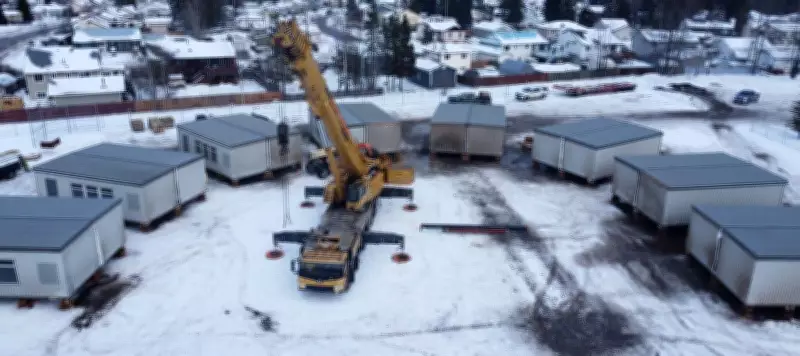
In response to the crisis, portable school buildings have been installed on the grounds of Tumbler Ridge Elementary School, as seen in a recent social media post by B.C. Infrastructure Minister Bowinn Ma. These temporary structures aim to provide a safe and functional learning environment while the community heals. The visual of these buildings serves as a stark reminder of the disruption caused by the violence, yet also symbolizes efforts to rebuild and move forward.
The Broader Context of Mental Health Challenges
This incident occurs against a backdrop of widespread mental health crises across Canada. For instance, mothers have described feeling trapped in a cycle of anguish when loved ones face mental health issues, underscoring the systemic gaps in care. Similarly, thousands of patients in Prince Edward Island are left searching for family doctors as physicians leave practices, exacerbating access to mental health services. These parallel stories emphasize that the trauma in Tumbler Ridge is part of a larger, national struggle for mental health resources and support.

Immediate and Long-Term Support Needs
The shootings have prompted calls for both immediate intervention and long-term strategies to address trauma. Key areas of focus include:
- Crisis Counseling: Providing on-site mental health professionals for students, staff, and families affected by the event.
- Community Programs: Developing local initiatives to foster resilience and peer support among residents.
- Policy Advocacy: Pushing for enhanced funding and resources for mental health services in rural and remote communities like Tumbler Ridge.
Lessons from Other Regions
Other Canadian communities have faced similar challenges, offering potential models for recovery. For example, Edmonton public schools are hiring over 300 new teachers and support staff, which could include mental health specialists. Additionally, campaigns against Big Tobacco targeting kids via Formula 1 sponsorship highlight the importance of protecting vulnerable populations, a principle that applies to safeguarding children's mental well-being post-trauma.
The path forward for Tumbler Ridge involves not only healing from the immediate shock but also building a sustainable framework for mental health care. As the community unites in this search for answers, it reflects a broader societal commitment to addressing trauma and promoting psychological resilience in the face of adversity.