Israeli Mental Health Patients Face Dual Battles Amid Regional Conflict
As the Middle East conflict continues to escalate, Israeli mental health patients are fighting their own internal wars while navigating the external dangers of wartime. For individuals already grappling with psychological conditions, the stress of air raid sirens, crowded shelters, and constant uncertainty creates a uniquely challenging environment that exacerbates their existing struggles.
The Overlapping Wars of Trauma and Conflict
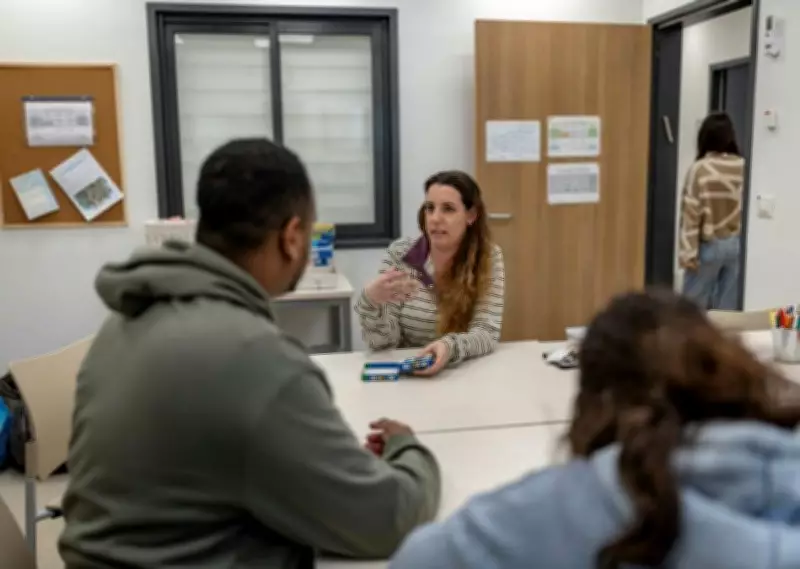
Nili, a 21-year-old patient at the Shalvata Mental Health Centre in Hod HaSharon, represents the particular vulnerability of those with mental health conditions during wartime. Due to childhood trauma that makes her acutely sensitive to noise, each air raid siren triggers significant stress as she must enter crowded shelters with strangers.
"It's unpleasant and unfamiliar to be in a relatively small room with many people you don't know, men and women together, usually quite crowded," Nili explained during a visit to the center. "We're in Israel, and there's a war outside. But there are also people who have been dealing with their own internal war for many years."

The Shalvata Mental Health Centre, operated by Israel's largest healthcare provider Clalit Health Services, has been treating Nili for nine months. Her experience highlights how external conflict can intensify internal psychological battles, creating a dual burden for those already struggling with mental health conditions.
Disability Community Faces Additional Wartime Challenges
The anxiety of war extends beyond mental health patients to Israel's substantial disability community. According to a 2025 report by the Central Bureau of Statistics, approximately 1.32 million Israelis live with disabilities, representing around 13 percent of the population. For these individuals, wartime conditions create layers of additional challenges that compound their daily struggles.
Sixteen-year-old Rhea Azmanov, who has a cognitive disability, exemplifies how disrupted routines during conflict can create significant stress. Her father Ziv Azmanov explained: "All kids with disabilities really need routine to give them a sense of stability and certainty. So when there is no normal routine, as in the current circumstances, it creates with her a lot of stress and anxiety."
The Azmanov family's experience in Raanana illustrates practical difficulties faced by many. Without a reinforced room (mamad) in their apartment, they must use their building's shelter during air raid warnings. Rhea's mother Veena Azmanov noted: "She's very uncomfortable. She hates crowded places. So sometimes instead of going down, we have to stand outside." The noise inside shelters, combined with sirens and missile interception booms, further elevates stress levels.
Accessibility Challenges Intensify During Wartime
For people with reduced mobility, wartime conditions create extreme accessibility challenges. Yoav Braver, who heads training at Beit Issie Shapiro (one of Israel's leading centers for people with disabilities), explained that "everything is more accelerated" during conflict situations.
Braver identified several critical issues:
- Public information mapping accessible shelters is difficult to obtain
- Even people with mamads in their homes may struggle to reach them within the 90-second window provided by the longest air raid warnings
- Caregivers shoulder particularly heavy burdens during wartime
In response to these challenges, Beit Issie Shapiro has established a hotline offering advice for both professionals and family members caring for individuals with disabilities during the conflict. This support system acknowledges the increased strain on caregivers who must navigate both their own safety concerns and the specialized needs of those they assist.

The Broader Impact on Mental Health Services
The ongoing conflict places additional pressure on Israel's mental health infrastructure at a time when demand for services is increasing. Mental health professionals must adapt their approaches to address both pre-existing conditions and trauma induced by wartime experiences. The overlapping of internal psychological struggles with external conflict creates complex treatment scenarios that require specialized attention and resources.
As the Middle East conflict continues, the experiences of Nili, Rhea Azmanov, and countless others highlight the intersection of mental health, disability, and wartime stress. Their stories underscore the need for comprehensive support systems that address both immediate safety concerns and long-term psychological wellbeing during periods of regional instability.