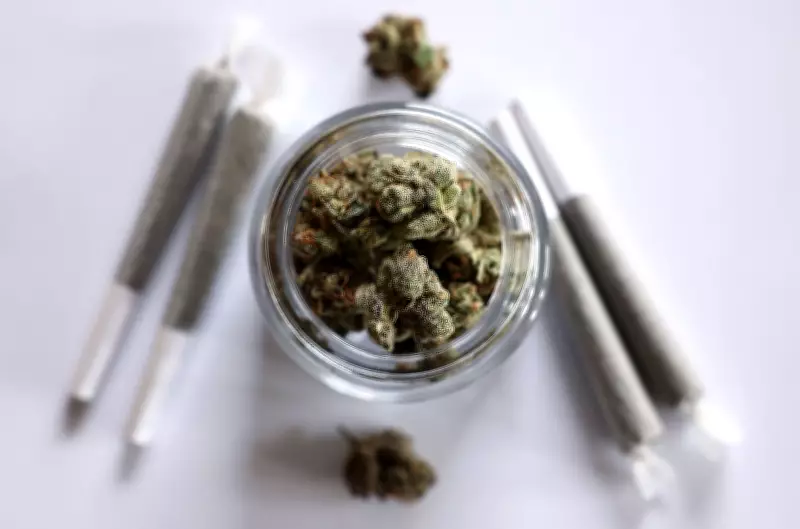
Marijuana's Mental Health Benefits Remain Unproven, Studies Show
Using marijuana to manage anxiety or depression may not be as effective as many believe, according to recent scientific research. A growing body of evidence suggests that the plant's purported mental health benefits lack substantial backing, raising questions about its widespread use for psychological relief.
Scientific Scrutiny Challenges Common Perceptions
Researchers have conducted multiple studies examining marijuana's impact on mental health disorders, including anxiety and depression. The findings consistently indicate that there is insufficient evidence to support claims that cannabis provides significant therapeutic relief for these conditions. This challenges the popular notion that marijuana serves as a reliable natural remedy for psychological distress.
The studies highlight a critical gap between anecdotal reports and scientific validation. While many individuals report subjective improvements in mood or anxiety levels after using marijuana, controlled research has failed to replicate these effects consistently. This discrepancy underscores the need for more rigorous investigation into cannabis's psychoactive properties and their long-term implications.

Potential Risks and Limitations
Experts caution that self-medicating with marijuana for mental health issues may carry unintended consequences. Without proper medical guidance, users might experience adverse effects or delay seeking evidence-based treatments. The research emphasizes that marijuana's complex chemical composition, including varying levels of THC and CBD, can produce unpredictable responses in individuals with pre-existing mental health conditions.
Furthermore, the studies point to several limitations in current understanding:
- Inconsistent dosing standards across available products
- Lack of long-term data on marijuana's psychological impacts
- Potential interactions with other medications or therapies
- Varied individual susceptibility to cannabis's effects
Implications for Public Health and Policy
These findings have significant implications for public health messaging and drug policy. As marijuana legalization expands in various regions, accurate information about its benefits and risks becomes increasingly important. Health authorities may need to revise guidelines to reflect the latest evidence, ensuring that consumers make informed decisions based on scientific facts rather than misconceptions.
The research also calls for enhanced education efforts to distinguish between medically supervised cannabis use and recreational or self-directed consumption. Clear communication about the limits of marijuana's therapeutic applications could help prevent misuse and promote safer alternatives for mental health management.
Ultimately, while marijuana continues to be explored for various medical purposes, its role in treating anxiety and depression remains uncertain. Scientists advocate for continued study to clarify these relationships and develop more effective, evidence-based approaches to mental health care.