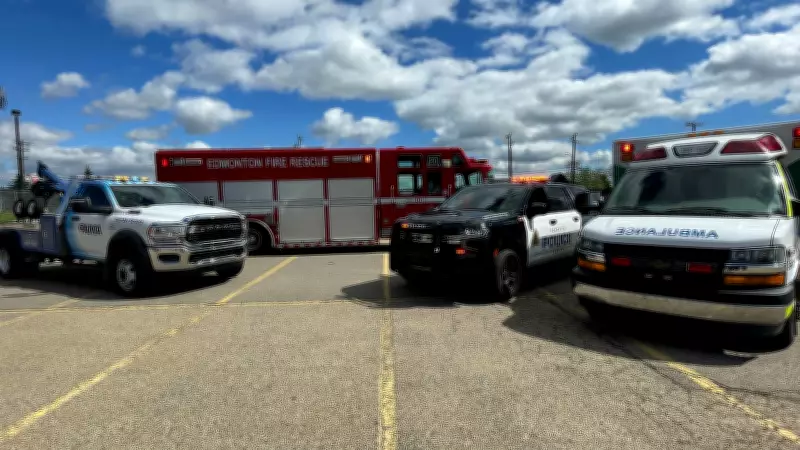
In Edmonton, a registered psychologist is shedding light on a common psychological phenomenon that can leave individuals frozen in moments of crisis. Known as the bystander effect, this condition often prevents people from taking action during conflicts or emergencies, even when intervention is critically needed.
Understanding the Bystander Effect
Lisa Rowbottom, a psychologist based in Edmonton, explains that the bystander effect occurs when individuals witness a distressing situation but feel unable to move or respond. This paralysis is not due to apathy but rather a complex interplay of social and psychological factors. Rowbottom emphasizes that this effect is particularly prevalent in group settings, where responsibility becomes diffused among multiple observers.
The Psychological Mechanisms at Play
According to Rowbottom, several key mechanisms contribute to the bystander effect. First, there is often a fear of embarrassment or making a mistake, which can inhibit proactive behavior. Second, individuals may assume that someone else will step in, leading to a collective inaction. Finally, in high-stress situations, the brain's decision-making processes can become overwhelmed, resulting in temporary paralysis.

Strategies to Combat Inaction
Rowbottom offers practical advice for overcoming the bystander effect. She suggests that recognizing the phenomenon is the first step toward breaking its hold. By being aware of this tendency, individuals can mentally prepare themselves to act when necessary.
Key strategies include:
- Take a deep breath: Calming the nervous system can help clear mental fog and facilitate decisive action.
- Assume responsibility: Mentally assign yourself the role of the responder to bypass diffusion of responsibility.
- Start with small steps: Even a minor action, such as calling for help or assessing the situation, can break the cycle of inaction.
The Importance of Training and Awareness
Rowbottom advocates for increased public education on the bystander effect. She notes that training programs, such as those offered in workplaces or community centers, can equip individuals with the skills needed to intervene effectively. These programs often focus on building confidence and providing clear guidelines for action in various scenarios.
Real-World Applications and Benefits
Overcoming the bystander effect has significant implications for community safety and well-being. Rowbottom points out that proactive intervention can prevent escalation in conflicts, provide timely aid in emergencies, and foster a culture of collective responsibility. In Edmonton, initiatives aimed at raising awareness of this issue are gaining traction, with local organizations incorporating psychological insights into their safety protocols.
Rowbottom concludes by encouraging everyone to reflect on their own responses to challenging situations. "By understanding the bystander effect and actively working to counteract it," she says, "we can all become more empowered to make a positive difference when it matters most."