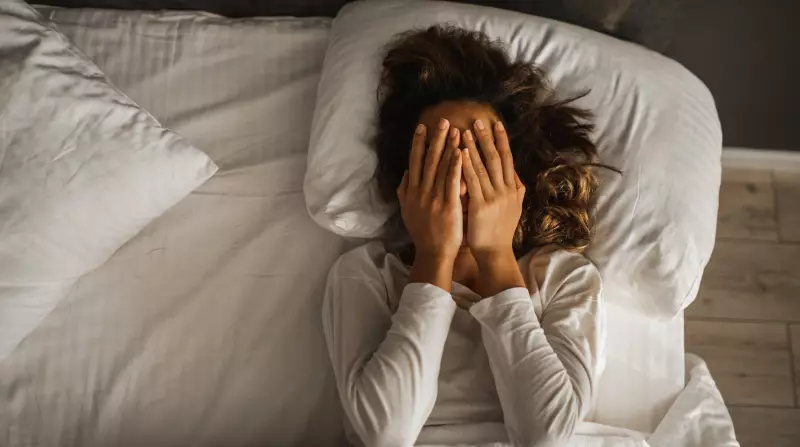
Beyond Stress: 8 Nighttime Symptoms That Signal Hidden Sleep Disorders
Stress, anxiety, noisy neighbors, and blanket-hogging partners represent just the beginning of an extensive list that disrupts sleep for millions. According to the American Sleep Apnea Association, an estimated 50 to 70 million Americans grapple with sleep-related problems. Many individuals experience symptoms of undiagnosed sleep disorders or underlying health conditions without recognizing the connection to their restless nights.
"Most people notice disrupted sleep through excessive fatigue the next day, but tracing this fatigue to specific symptoms like congestion, digestive issues, or pain proves challenging," explained Dr. Janice Johnston, co-founder and chief medical officer of Redirect Health. "Instead, they might blame caffeine deficiency, a late night, or daytime stress." If you encounter any of the following symptoms after bedtime, consulting a doctor becomes crucial.
Gasping For Air
Gasping for air frequently indicates sleep apnea, a disorder where breathing repeatedly stops and starts. "During sleep, muscles relax and the throat narrows or closes," noted Dr. Zeeshan Khan, director of the Institute of Sleep Medicine at Deborah Heart and Lung Center in New Jersey. Sleep apnea also associates with snoring, choking during sleep, and waking with a dry mouth and headache. "A sleep specialist can order a sleep study to diagnose sleep apnea, typically treated with CPAP devices," Khan added.

Postnasal drip presents another cause, where excessive mucus blocks airways, leading to temporary breathing pauses. Hydration, mucus-thinning agents like Mucinex, and saline nasal irrigations may help. If over-the-counter strategies fail, specialists can prescribe decongestants or address sinus conditions. Acid reflux, with stomach acids reaching the esophagus, also triggers gasping; sleeping on the left side or using wedge pillows might offer relief.
Snoring
Snoring commonly signals sleep apnea, resulting from airway narrowing that causes tissue vibration. "This can accompany gasping, snorting, dry mouth, and nasal congestion," Khan stated. Allergies, colds, or being overweight contribute, alongside shortness of breath and increased sweating. Sleep studies determine if sleep apnea exists; otherwise, treatments include side-sleeping, elevating the bed, nasal strips, sprays, or oral appliances.
Sleepwalking
Sleepwalking, a parasomnia, occurs during deep non-REM sleep when the brain hovers between sleep and wakefulness. Triggers include sleep deprivation, stress, anxiety, fever, certain medications like hypnotics or sedatives, and alcohol use. "A sleep specialist diagnoses this through history and sleep studies," Khan emphasized. Preventative measures involve adjusting medications, waking before typical episodes, and avoiding triggers.
Sleep Talking
Sleep talking, or somniloquy, ranks among the most common parasomnias with unknown causes. "It's more frequent in people with mental illnesses and can link to sleepwalking and nightmares," Khan said. Emotional stress, fevers, and substance misuse also play roles. "These conditions may reduce concentration, cause mood swings, or hallucinations," Johnston warned. Specialists diagnose via history and sleep studies, recommending avoidance of stress, sleep deprivation, and alcohol; antidepressants might require adjustment.
Chronic Nightmares
Ongoing nightmares often stem from psychological triggers like anxiety and depression, schedule disruptions, or post-traumatic stress disorder. Treatment becomes necessary if nightmares cause distress, disrupt sleep, or impair daytime functioning. "Chronic nightmares increase risks of suicide, heart disease, and obesity," Johnston cautioned. Doctors might adjust medications or teach stress-reduction skills; imagery rehearsal therapy, which rewrites nightmare endings, effectively treats PTSD-related nightmares.

Frequently Waking Up To Pee
Nocturia, or nighttime urination, becomes more common with age but may indicate bladder aging or medical issues like infections, diabetes, enlarged prostate, or kidney failure. Limiting fluids before bed and keeping a bladder diary helps monitor the issue. "Doctors use this information to determine causes and treatments, such as anticholinergic drugs or addressing underlying conditions," Johnston explained.
Teeth Grinding
Sleep bruxism involves clenching or grinding teeth during sleep, leading to daytime headaches or sore jaws. "It's considered a sleep-related movement disorder and often links to stress, anxiety, or abnormal bites," Johnston said. Dentists examine for wear and tear, fitting mouth guards for protection. Associations with snoring and sleep apnea are common.
Falling Asleep Too Fast
Falling asleep quickly isn't inherently bad unless accompanied by insufficient sleep and daytime fatigue. "If you get less than seven to nine hours and pass out instantly, your body may need more rest," Johnston noted. Signs of sleep deprivation include excessive daytime sleepiness, emotional dysregulation, and dozing during mundane activities. It could indicate sleep apnea or narcolepsy, characterized by sudden sleep attacks and cataplexy. Sleep studies diagnose these disorders, with medications available for narcolepsy.
Sleep Eating
Sleep-related eating disorders (SRED) involve consuming food while asleep, often drug-induced from sleep aids or linked to conditions like restless legs syndrome. "SRED increases risks of fatigue, depression, weight gain, and self-injury," Johnston warned. Specialists may recommend alternative medications, stress management, or safety measures like locking kitchen appliances.
How To Self-Monitor For Sleep Issues
For those living alone, detecting sleep disturbances proves challenging. "Sometimes disarray in the home suggests something occurred overnight," said Dr. Thomas Hammond, a neurologist at the Marcus Neuroscience Institute in Florida. Sleep trackers offer solutions: wearable devices monitor movement, heart rate, and breathing; bedside devices track breathing and movement while noting environmental factors; bed sensors record movement, heart rate, temperature, and humidity.
"Collect two to three weeks of data to bring to a doctor's appointment," Johnston advised. While consumer devices aren't for clinical diagnosis, they help determine if further testing is warranted, bridging the gap between suspicion and professional evaluation.