Understanding the Health Risks of Chronic Snoring
Snoring represents a widespread sleep disturbance that can significantly disrupt both personal rest and the sleep quality of partners. In certain instances, persistent and loud snoring may indicate more serious underlying conditions such as obstructive sleep apnea (OSA), a disorder characterized by repeated breathing interruptions during sleep that elevates various health risks.
Medical Perspectives on Snoring Dangers
According to Dr. Ofer Jacobowitz, a dual board-certified otolaryngologist at ENT and Allergy Associates and clinical professor at Northwell/Hofstra University, snoring occurs when throat muscles relax, narrowing the airway. He emphasizes that even without OSA, snoring can pose health threats. "In severe cases, the sheer energy of the vibrational trauma of snoring may damage the carotid arteries in the walls of the throat, causing plaques to accumulate," Jacobowitz explained.
Dr. Aaron Fletcher, a board-certified otolaryngologist with the Georgia Center for Ear, Nose, Throat and Facial Plastic Surgery, notes that multiple factors contribute to snoring beyond OSA. Common causes include smoking habits, nasal obstructions, weight gain, increased alcohol consumption, and general exhaustion. Both specialists agree that after consulting healthcare professionals to rule out conditions like OSA or nasal polyps, numerous over-the-counter solutions, daily exercises, and lifestyle modifications can effectively reduce snoring.

"Snoring is not so easy to treat [and] often a combination of treatments leads to success," Jacobowitz cautioned, highlighting the multifaceted approach required for effective management.
Comprehensive Anti-Snoring Strategies and Products
Fletcher and Jacobowitz have identified several practical anti-snoring items and treatments that adults can implement to achieve quieter, more restful sleep.
1. Adjustable Memory Foam Wedge Pillow
Dr. Fletcher identifies back sleeping as a primary contributor to snoring. "Elevating the head of your bed by four to six inches can help keep your airways open and reduce snoring. You can use pillows or bed wedges to achieve this," he advised. An adaptive memory foam wedge pillow that adjusts to various heights starting at five inches provides optimal positioning. This versatile product features two attachable headrests with Velcro straps and serves both sleeping and reclining functions.
2. Extra-Strength Nasal Strips
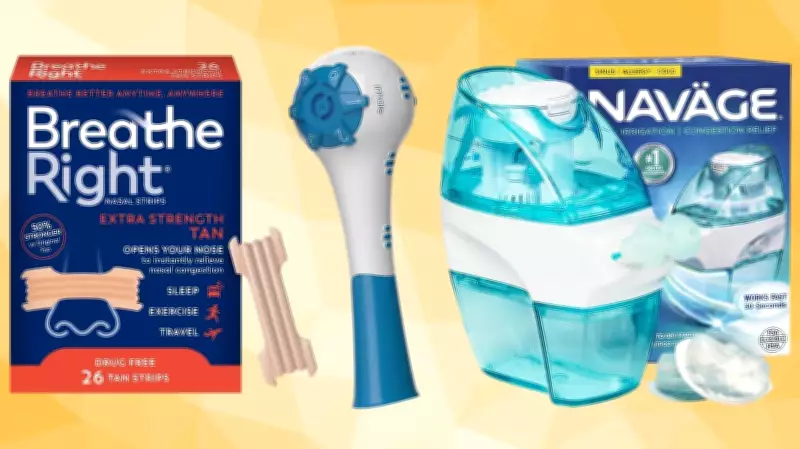
For congestion-related snoring, both physicians acknowledge the potential benefits of nasal strips. "These adhesive strips stick to the bridge of your nose and gently lift the sides of your nostrils, which can help improve airflow and reduce snoring," Fletcher described. Popular Breathe Right strips claim to increase nasal airflow by up to 31% using medical-grade adhesive for comfortable application and removal.
3. Hypoallergenic Bedding Encasements
Addressing allergen-induced snoring, Fletcher recommends allergy-proof bedding encasements. High-quality hypoallergenic protectors for mattresses and pillows feature soft, noiseless cotton terry tops with waterproof properties. These covers come in multiple sizes and depths to accommodate various bedding dimensions.
4. Hydration-Focused Water Bottle
Fletcher notes that dehydration can thicken mucus membranes in nasal and throat passages, exacerbating snoring. He emphasizes adequate fluid intake throughout the day, particularly before bedtime. The Owala FreeSip water bottle offers a leakproof, double-wall insulated design that maintains beverage temperature and features a dual-drinking spout for versatile consumption.
5. HEPA Filter Air Purifier
"Dust mites, pet dander, and allergens can irritate the nasal passages and worsen snoring," Fletcher observed. He suggests placing HEPA filter air purifiers in bedrooms to manage allergy-related snoring. The Levoit air purifier employs a triple-layer filtration system with pre-filter, HEPA filter, and activated carbon components. Its 360-degree air intake design effectively cleans spaces up to 1,095 square feet while operating quietly.

6. Automated Nasal Irrigation System
Fletcher recommends sinus rinses to clear congestion and mucus buildup contributing to snoring. For those hesitant about traditional Neti Pots, automated nasal irrigation systems like Navage provide simplified operation with pre-formulated salt pods that ensure proper saline concentration. Users should always employ distilled or properly boiled and cooled water for nasal flushing procedures.
7. Adjustable Anti-Snoring Chin Strap
"Chin straps support your jaw in a more forward position, which helps to open the airway and reduce snoring. They work best for snoring caused by a relaxed tongue or uvula," Fletcher explained. Breathable, adjustable chin straps compatible with CPAP machines offer comfortable overnight wear.
8. Inspiratory Muscle Training Device
Jacobowitz highlights inspiratory muscle training devices, similar to those used in postoperative hospital settings, as potential snoring reduction tools. Respiratory trainers with accompanying coaching applications and manuals help strengthen lung capacity and improve breathing patterns. These devices typically offer multiple resistance levels for progressive training.
9. Airway Muscle Strengthening Application
Jacobowitz also recommends smartphone applications like Airway Gym that provide guided exercises to strengthen upper airway muscles, enhancing their ability to remain open during sleep. These applications typically include progress tracking features and access to professional trainer support for personalized guidance.
Implementing a Holistic Approach to Snoring Management
Medical experts stress that successful snoring reduction often requires combining multiple approaches tailored to individual causes and preferences. From simple positional adjustments and hydration practices to specialized devices and targeted exercises, these solutions offer practical pathways to improved sleep quality and respiratory health. Consultation with healthcare providers remains essential to identify underlying conditions and develop personalized treatment plans that address both symptoms and root causes of disruptive snoring patterns.