Family of Ontario Senior with Dementia Decries Assault Charges as Systemic Failure
The Ontario Provincial Police (OPP) have levied assault charges against an elderly woman diagnosed with dementia, a move her family vehemently condemns as both unnecessary and deeply traumatic. According to relatives, the incident underscores a critical gap in how law enforcement interacts with individuals suffering from cognitive impairments.
‘She Was Not in Control of Her Actions’
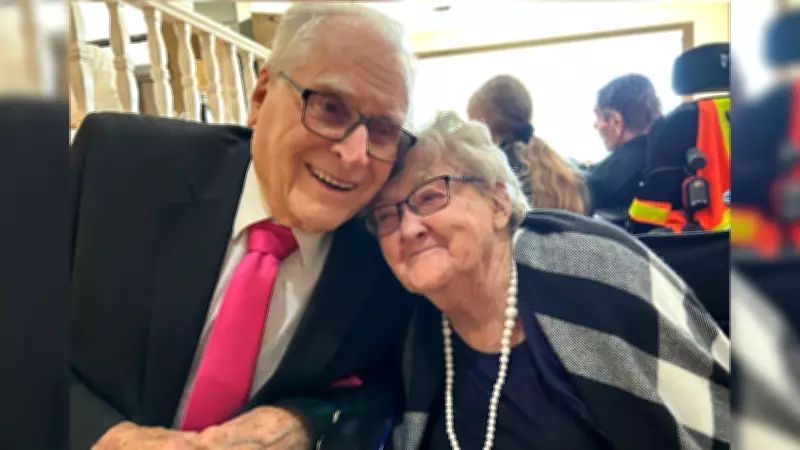
Charlie Jackson, the husband of the accused senior, Evelyn Patton, expressed profound distress over the charges. “She didn’t know what she was doing,” Jackson stated, emphasizing that his wife’s condition renders her incapable of understanding or controlling her behavior. The family argues that the OPP should have recognized the signs of dementia and sought alternative, non-criminal interventions.
Details of the Alleged Incident Remain Unclear
While specific circumstances surrounding the alleged assault have not been fully disclosed by authorities, it is believed to have occurred during a routine interaction. The Patton family has called for greater transparency, questioning whether proper de-escalation techniques were employed. This case raises urgent questions about police training in dealing with neurodiverse and elderly populations, particularly in high-stress situations.

Broader Implications for Vulnerable Populations
Advocates for seniors and mental health professionals are alarmed by this development. They point out that charging individuals with dementia can exacerbate their condition, lead to unnecessary legal battles, and place undue strain on families already grappling with caregiving challenges. There is a growing consensus that healthcare and social services, rather than the criminal justice system, should be the first responders in such scenarios.
Calls for Policy Reform and Improved Training
In response to this incident, there are mounting calls for:
- Enhanced police training on recognizing and managing encounters with people experiencing dementia or other cognitive disorders.
- Clearer protocols for diverting vulnerable individuals from the criminal justice system to appropriate health and social services.
- Greater collaboration between law enforcement agencies and community health organizations to prevent similar occurrences.
The family of Evelyn Patton hopes their ordeal will spur meaningful change, ensuring that no other senior with dementia faces the added burden of criminal charges for actions stemming from their medical condition.