Ontario Review Board Removes Cannabis Prohibition in Mental Health Test Case
In a controversial decision, the Ontario Review Board has lifted a cannabis prohibition for a man diagnosed with paranoid schizophrenia who was found not criminally responsible for murdering his mother. The move is described as a test to determine whether the individual has internalized the need to abstain from substance use despite his mental health condition.
Case Background and Legal History
Michael Stewart, now 46 years old, was deemed not criminally responsible in May 2003 for the second-degree murder of his mother, June Stewart, in Renfrew, Ontario. The violent incident occurred in 2002 when Stewart struck his mother numerous times on the head, back, neck, and arms with multiple weapons including a large bladed knife, a paring knife, a claw hammer, and a large pry bar.
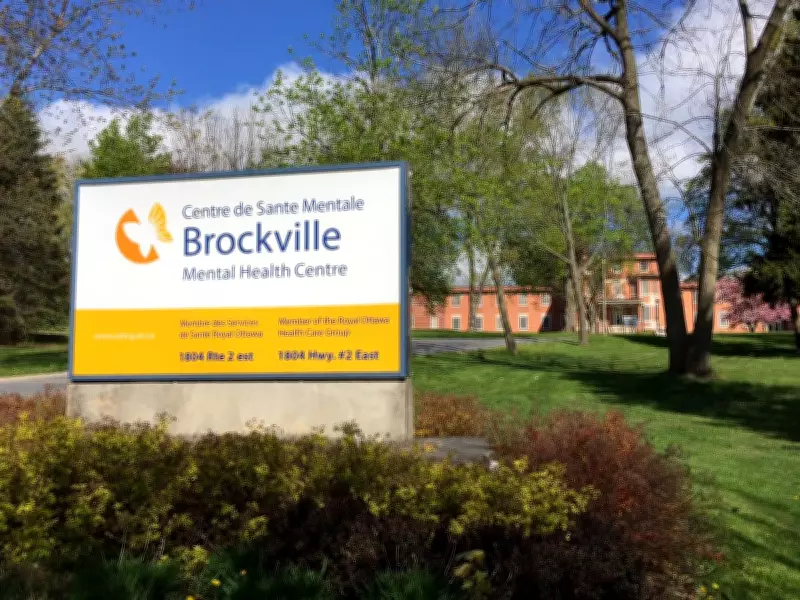
Following a recent hearing at the Brockville Mental Health Centre, the review board made the decision to remove the existing cannabis prohibition that had been in place. The board noted that Stewart continues to pose a significant threat to public safety despite his long-term community living arrangement.

Psychiatric Assessment and Risk Factors
According to the board's February 24 decision, Stewart's psychiatrist reported that while the patient recognizes cannabis use as risky, he does not grasp the connection between cannabis consumption and the potential relapse of his psychotic illness. The psychiatrist specifically noted that Stewart "does recognize that the use of cannabis is risky but does not grasp the connection to a risk of relapse of his psychotic illness or into substance misuse."
The decision further explained that Stewart cannot independently identify his symptoms as part of his illness and requires prompting when those symptoms emerge. His forensic psychiatrist identified three ongoing risk factors:
- Dysfunction and low motivation which increases the risk of medication non-compliance
- Difficulties in identifying symptoms of his mental illness
- A vulnerability to substance use, particularly cannabis
Substance Abuse History and Current Treatment
The review board documented Stewart's extensive history of substance abuse beginning in adolescence. By grade 9, he was consuming alcohol until passing out, and by grade 10, he had progressed to using hashish, LSD, magic mushrooms, and cannabis. At one point, Stewart reported smoking as many as eight cannabis joints per day.
Stewart has stated that he believes magic mushrooms triggered his first experience with psychotic symptoms. While his problems with psilocybin, alcohol, and LSD are currently in remission, along with a previous cannabis dependence from adolescence, the board remains concerned about his vulnerability to cannabis use.
Since 2013, Stewart has lived independently in the community in Brockville and regularly takes clozapine to manage his symptoms of paranoid schizophrenia. The cannabis prohibition was originally implemented after Stewart reported occasional cannabis use in 2023.
The Board's Reasoning and Test Parameters
The Ontario Review Board explicitly stated in its decision: "As a result, this panel has removed the existing cannabis prohibition to test whether he has also internalized the need to abstain from cannabis use." This represents a significant shift in approach, moving from enforced prohibition to what amounts to a behavioral test of Stewart's understanding and self-control.
The board acknowledged that while Stewart recognizes cannabis use as risky on a general level, he reportedly remains unable to connect its use to the likelihood of a mental health relapse. This cognitive disconnect forms the basis for the board's experimental approach to monitoring his behavior without the formal prohibition in place.
The decision highlights the complex balance mental health review boards must strike between protecting public safety, respecting legal findings of non-criminal responsibility due to mental disorder, and testing rehabilitation progress in controlled community settings.