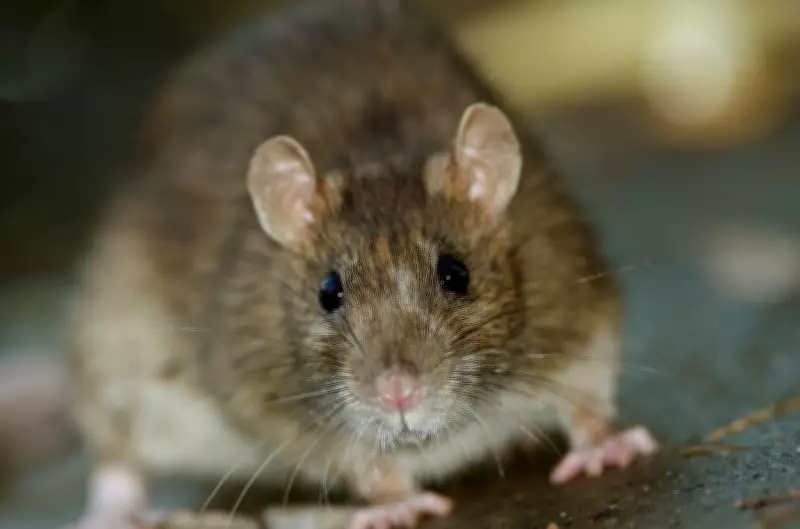
As Canadians prepare for cottage season, health experts are emphasizing the importance of understanding the risks associated with hantavirus when cleaning up mouse droppings. The virus, which can be transmitted through contact with rodent urine, droppings, or saliva, poses a serious health threat that requires careful attention.
Understanding Hantavirus
Hantavirus is a potentially life-threatening disease that can cause hantavirus pulmonary syndrome (HPS), a severe respiratory illness. Symptoms often begin with fatigue, fever, and muscle aches, and can progress to coughing and shortness of breath. Early detection is crucial for treatment.
How to Safely Clean Rodent Droppings
Health experts recommend the following steps to minimize risk:

- Ventilate the area: Open doors and windows for at least 30 minutes before cleaning.
- Wear protective gear: Use gloves, a mask, and goggles to avoid direct contact.
- Do not sweep or vacuum: These actions can aerosolize the virus. Instead, dampen the area with a bleach solution (1 part bleach to 9 parts water) and wipe with a cloth.
- Dispose of waste properly: Place all contaminated materials in sealed plastic bags before discarding.
Prevention Tips for Cottage Owners
To reduce the risk of hantavirus, experts advise sealing any holes or gaps in buildings, storing food in rodent-proof containers, and keeping cottages clean and clutter-free. Regular inspections for signs of rodent activity can help identify problems early.
While hantavirus is rare, it is important to take these precautions seriously. The Public Health Agency of Canada advises anyone experiencing symptoms after exposure to rodent droppings to seek medical attention immediately.