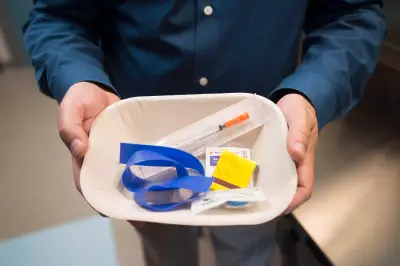
Waterloo Region experienced 44 suspected overdoses over a five-day period, according to local health officials. The spike in drug poisonings has raised alarm among public health authorities and first responders.
Details of the Overdose Surge
Between June 29 and July 3, 2026, emergency services responded to 44 suspected overdose calls across the region. The incidents occurred in various municipalities, including Kitchener, Waterloo, and Cambridge. Paramedics administered naloxone in multiple cases, and several individuals were transported to hospital.
Dr. Hsiu-Li Wang, the region's medical officer of health, stated: "This is a significant increase in suspected overdoses over a short period. We urge people who use drugs to take precautions, including not using alone and carrying naloxone."

Impact on the Community
The overdose surge has strained local emergency services. Waterloo Regional Police reported that officers have been diverted from other duties to assist with overdose calls. The Waterloo Region Integrated Drug Strategy is coordinating a response, including increased distribution of naloxone and outreach to at-risk individuals.
In the first six months of 2026, there were seven fatal crashes in Waterloo Region, but the overdose numbers highlight a parallel public health crisis. The region has seen a steady increase in opioid-related deaths since the COVID-19 pandemic, with fentanyl detected in many samples.
Broader Context
The overdose spike comes amid a national toxic drug crisis that has killed thousands of Canadians. In British Columbia, more than 2,000 people died from drug overdoses in 2025. Ontario has also seen record numbers, with the Ontario Drug Policy Research Network reporting over 2,500 opioid-related deaths in the province in 2025.
Local advocates are calling for more supervised consumption sites and expanded access to safer supply programs. "This is a preventable tragedy," said Sarah Smith, executive director of the Waterloo Region Community Health Centre. "We need political will to implement evidence-based solutions."