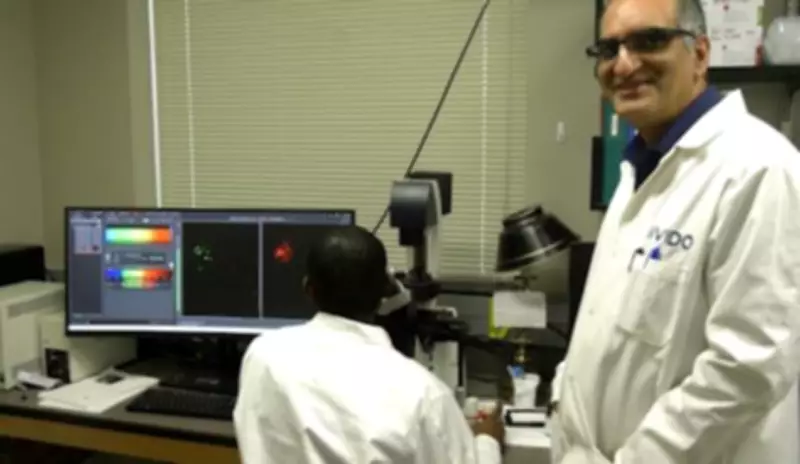
VIDO Research Highlights Ongoing Tuberculosis Threat as Global Health Concern
New research from the Vaccine and Infectious Disease Organization (VIDO) underscores that tuberculosis remains a significant and persistent threat to global public health, continuing to be classified as a "leading killer" worldwide. The findings come as health authorities grapple with the disease's enduring impact despite decades of medical advancements.
Persistent Global Health Challenge
Tuberculosis continues to claim approximately 1.5 million lives annually, according to global health statistics, making it one of the deadliest infectious diseases alongside HIV/AIDS and COVID-19. The VIDO research emphasizes that while medical science has made progress in diagnosis and treatment, the disease maintains its deadly grip on vulnerable populations across multiple continents.
"The persistence of tuberculosis as a major cause of mortality highlights the need for continued research and investment in prevention strategies," explained Neeraj Dhar, a principal research scientist at VIDO who contributed to the study. "This isn't a disease we can afford to ignore simply because we've developed some treatments."

Research Focus and Implications
The VIDO study examined multiple aspects of tuberculosis transmission, drug resistance patterns, and vaccine development challenges. Key findings include:
- Increasing rates of drug-resistant tuberculosis strains in certain regions
- Gaps in diagnostic capabilities in low-resource settings
- Challenges in vaccine development due to the bacterium's complex biology
- Disproportionate impact on marginalized communities and developing nations
The research particularly emphasizes how tuberculosis interacts with other health conditions, including HIV and malnutrition, creating compounded health risks for affected individuals. This intersectionality makes comprehensive treatment approaches particularly challenging to implement effectively.
Global Response and Future Directions
Public health experts note that tuberculosis elimination efforts have faced numerous obstacles, including:
- Funding limitations for research and treatment programs
- Diagnostic delays that allow for further transmission
- Stigma associated with the disease in some communities
- Inadequate healthcare infrastructure in high-burden regions
The VIDO research team advocates for increased international collaboration and resource allocation to address what they describe as "one of humanity's oldest and most persistent microbial adversaries." Their work contributes to a growing body of evidence suggesting that without renewed commitment to tuberculosis control, the disease will continue to exact a heavy toll on global health for decades to come.
As Dhar concluded: "Tuberculosis has been with us for millennia, and our research shows it's not going away without a substantially enhanced global effort. We need better diagnostics, more effective treatments, and ultimately a reliable vaccine to truly turn the tide against this disease."