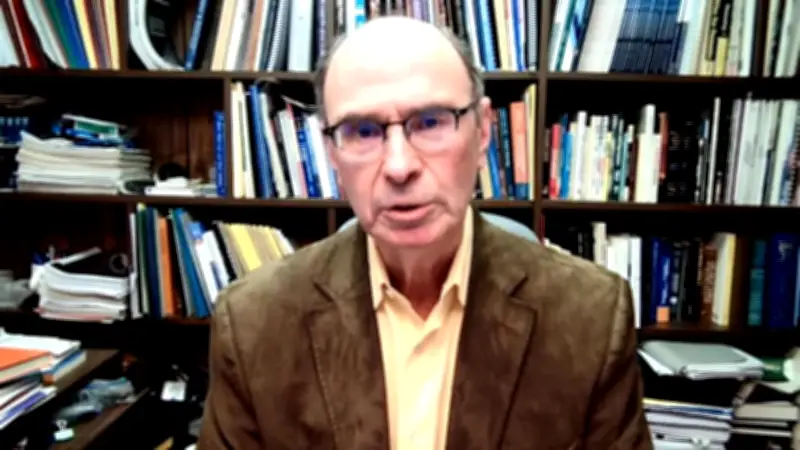
Dr. Morris Freedman, Head of Neurology at Baycrest Health Sciences in Toronto, announced a new virtual care program designed to help dementia patients manage neuropsychiatric symptoms without being 'uprooted' from their homes. The program focuses on controlling behavioral and psychological symptoms of dementia through remote consultations and support.
Program Details and Approach
The virtual behavior program allows patients to receive specialized care from neurologists and other specialists via video conferencing, reducing the need for stressful hospital visits or relocations to care facilities. According to Dr. Freedman, the approach targets common neuropsychiatric symptoms such as agitation, aggression, and depression, which often accompany dementia.
Early data from the program shows promising results, with patients and caregivers reporting improved symptom management and quality of life. The initiative is part of a broader trend in Canadian healthcare toward telemedicine, especially for chronic conditions like dementia.

Impact on Patients and Families
Caregivers have expressed relief at being able to access expert care without the logistical challenges of in-person appointments. 'This program has been a lifeline for our family,' said one caregiver, who wished to remain anonymous. 'We no longer have to travel across the city for appointments, which was exhausting for my mother.'
The program is currently available to patients in the Greater Toronto Area, with plans to expand to other regions. Baycrest is collaborating with provincial health authorities to secure funding and integrate the service into standard dementia care pathways.