Human remains discovered over two decades ago in a sleeping bag within Washington state's Olympic National Park have been positively identified, thanks to advanced genetic testing technology.
Discovery in Sol Duc River Area
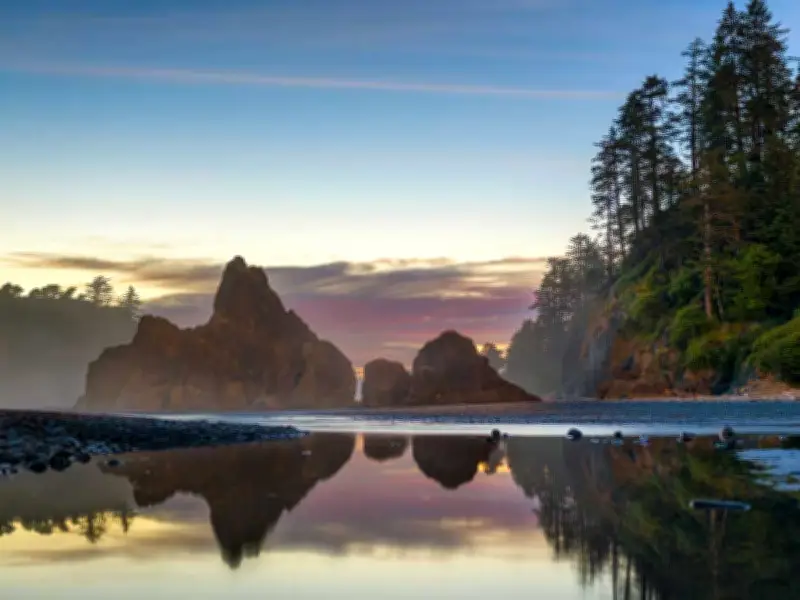
In July 2000, a researcher came across skeletal remains inside a sleeping bag and tent in a remote section of the Sol Duc River drainage at Olympic National Park. The remains were subsequently taken to the King County Medical Examiner's Office, where a pathologist estimated the deceased was a man aged between 30 and 50 years, who had been dead for six months to four years.
Items recovered from the tent were analyzed by the Washington State Patrol Crime Laboratory, but investigators were unable to obtain usable latent fingerprints, according to the National Park Service (NPS).

Breakthrough Through Forensic Genealogy
The case remained unsolved until 2024, when a forensic anthropologist from the King County Medical Examiner's Office submitted a DNA sample from the remains to Othram, a Texas-based laboratory specializing in forensic genealogy.
Othram scientists successfully extracted DNA from the skeletal evidence and employed forensic-grade genome sequencing to create a comprehensive DNA profile for the unidentified man, the company stated in a news release. By 2025, the DNA analysis had identified potential relatives.
Investigators then contacted relatives in several states, including Hawaii, coordinating interviews and collecting DNA samples for comparison. Based on genetic, genealogical, and circumstantial evidence, the remains were identified as those of Joseph Louis Serrao Jr., the NPS confirmed.
Family Seeks Closure
Serrao's family informed investigators that he was originally from Hawaii and had been in Washington prior to his disappearance. His last contact with family was in 1998.
Debra Flowers, deputy chief of the NPS investigative services branch, expressed pride in the persistence and collaboration that led to the identification. “This case remained unresolved for nearly 30 years, but investigators never lost sight of the goal of identifying this individual and finding answers for his family,” she said in a news release. “I hope it brings some measure of closure to those who have spent so many years wondering what happened to Joseph.”
The cause of Serrao's death has not been disclosed by park officials.