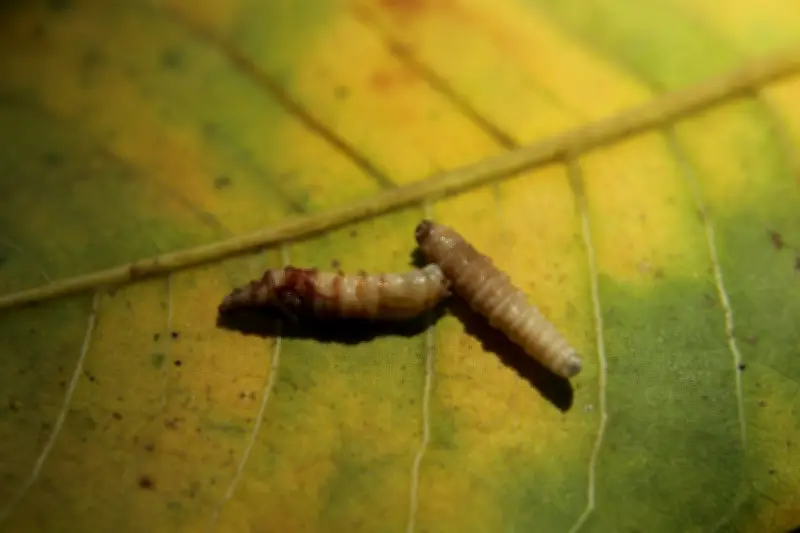
The flesh-eating screwworm has made a troubling comeback in the United States, with experts linking its resurgence to organized crime networks. The parasitic insect, which infests warm-blooded animals and can cause fatal wounds, had been eradicated from North America decades ago, but recent outbreaks have been traced to illegal smuggling and inadequate border controls.
Economic and Agricultural Impact
Agricultural economist Ellen Goddard from the University of Alberta discussed the severe implications for the beef industry. The screwworm outbreak threatens livestock health, leading to significant economic losses. Cattle infected with screwworm larvae suffer from open wounds, reduced productivity, and often require costly treatment or culling. The potential for widespread infestation could disrupt supply chains and increase meat prices.
Organized Crime Connection
Investigations reveal that organized crime groups are exploiting porous borders to smuggle infected animals or larvae into the U.S. This deliberate reintroduction poses a biosecurity threat, as the screwworm can spread rapidly through animal populations. Authorities are working to trace the origins and dismantle the networks responsible.

The screwworm (Cochliomyia hominivorax) lays eggs in open wounds of mammals, including humans. The larvae feed on living tissue, causing severe pain, infection, and even death if untreated. The U.S. Department of Agriculture has implemented surveillance and sterile insect release programs, but the scale of the challenge is immense.
Public Health Concerns
While livestock are primary targets, human cases have been reported in rare instances. Travelers returning from endemic areas may carry the parasite, and local transmission is possible in warm climates. Health officials urge vigilance and prompt medical attention for unusual wounds.
The resurgence of screwworm highlights the need for stronger biosecurity measures and international cooperation. Experts call for increased funding for monitoring and control programs to prevent further spread.