Regina Nursing Student Faces Life-Altering Recovery After Sudden Rare Stroke
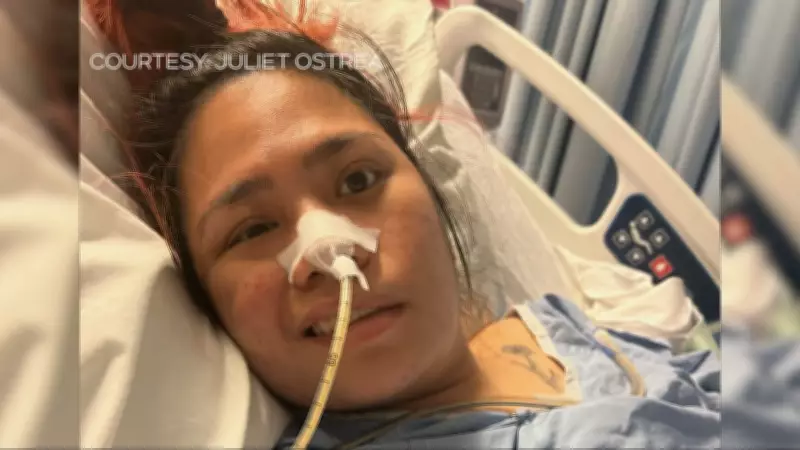
A 27-year-old nursing student from Regina is navigating a difficult path to recovery after her life was dramatically changed overnight by a rare and unexpected stroke. The young woman, whose identity has been respectfully withheld, woke up one morning unable to speak and paralyzed on one side of her body, a sudden onset that has shocked her family and community.
The Sudden Onset and Immediate Impact
According to reports, the incident occurred without warning, transforming an ordinary day into a medical emergency. As a nursing student, she was familiar with health crises, but experiencing one firsthand has presented unique challenges. The paralysis and loss of speech are common symptoms of strokes, but the rarity of this case in someone so young adds a layer of complexity to her situation.
Strokes, often associated with older adults, can occur at any age due to factors like genetic predispositions, lifestyle, or underlying health conditions. In this instance, the specific type of stroke has not been disclosed, but it is described as rare, suggesting it may involve unusual causes or manifestations that require specialized medical attention.

Road to Recovery and Community Support
The student is now on the road to recovery, a journey that involves intensive rehabilitation, including speech therapy and physical therapy to regain mobility and communication skills. Her background in nursing may provide her with a deeper understanding of the medical processes involved, potentially aiding in her rehabilitation efforts.
This case underscores the importance of awareness about strokes in younger populations. Health experts emphasize that recognizing symptoms early—such as sudden numbness, confusion, trouble speaking, or loss of balance—can be crucial for timely treatment and better outcomes. In Regina, this incident may prompt discussions about stroke prevention and support systems for affected individuals.
Broader Implications for Health and Education
As a nursing student, her experience highlights the vulnerabilities even those in healthcare fields can face. It also raises questions about how educational institutions support students dealing with serious health issues, including accommodations for recovery and mental health resources.
In summary, this Regina nursing student's ordeal serves as a poignant reminder of how quickly life can change due to health emergencies. Her recovery journey is a testament to resilience, with implications for stroke awareness, medical care, and community support in Saskatchewan and beyond.