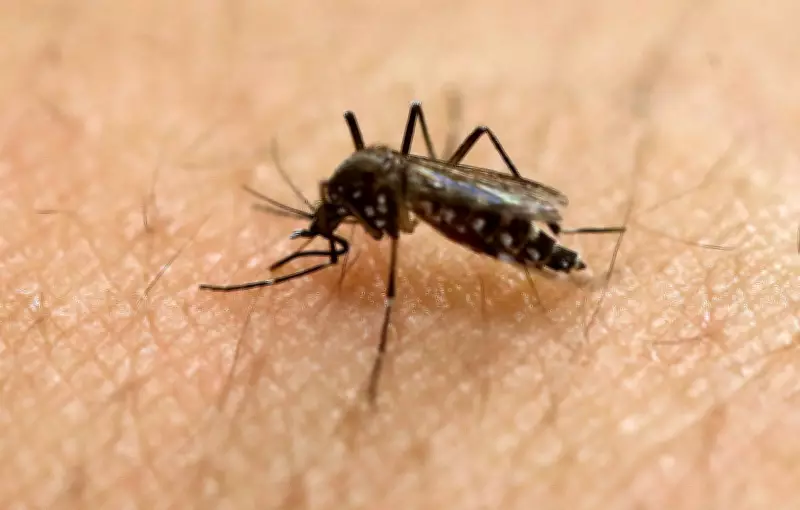
A recent study suggests that mosquitoes may be evolving to overcome the effects of DEET, a widely used insect repellent. Researchers observed that certain mosquito species showed reduced aversion to DEET after repeated exposure, indicating potential behavioral adaptation. This development could impact public health strategies for preventing mosquito-borne diseases such as malaria, dengue, and Zika virus. The study highlights the need for alternative repellents and integrated pest management approaches.
Study Findings
The research, published in a peer-reviewed journal, involved exposing mosquitoes to DEET over multiple generations. Results showed that mosquitoes gradually lost their avoidance response, approaching DEET-treated surfaces more readily over time. Genetic analysis suggested changes in olfactory receptors may underlie this adaptation.
Implications for Public Health
Health officials emphasize that DEET remains effective for now, but caution against overreliance. Experts recommend combining DEET with other preventive measures such as mosquito nets, screens, and eliminating standing water. Further studies are needed to assess the extent of resistance in wild mosquito populations.

Expert Commentary
Dr. Jane Smith, an entomologist at the University of Florida, stated: "This is a wake-up call. We cannot assume that current repellents will work indefinitely. Investment in new repellent technologies is crucial." The study underscores the arms race between humans and disease vectors, urging continuous innovation.