Mosquitoes May Hold Missing Pieces in Early Human Evolution Puzzle
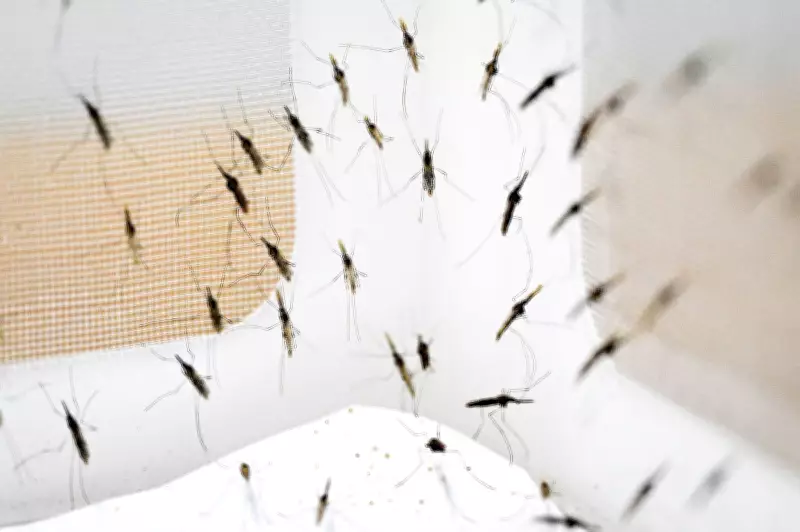
Fossils have long been the primary source for understanding early human history, but they may not tell the complete story. Emerging scientific perspectives suggest that mosquitoes, those persistent blood-feeding insects, could fill critical gaps in our knowledge of human evolution. This novel approach leverages the fact that mosquitoes have existed far longer than humans and evolved specifically to feed on their blood.
The Limitations of Fossil Records
Traditional paleoanthropology relies heavily on fossilized bones and artifacts to reconstruct the lives of early humans. While invaluable, these remains often provide fragmented and incomplete data. Fossils can reveal physical characteristics and some behavioral patterns, but they offer limited insight into genetic makeup, diseases, or environmental interactions of ancient populations. This inherent limitation has prompted researchers to seek alternative sources of information.
Mosquitoes as Biological Time Capsules
Mosquitoes, having coexisted with humans for millennia, may act as unexpected biological archives. When a mosquito feeds on human blood, it ingests not just nutrients but also genetic material and potential pathogens from its host. Scientists theorize that by studying ancient mosquitoes preserved in amber or other substrates, they could extract traces of early human DNA or identify diseases that affected our ancestors. This method could provide a more dynamic picture of human health, migration patterns, and evolutionary pressures than static fossils alone.

The evolutionary adaptation of mosquitoes to human blood makes them particularly relevant. This specialized feeding behavior means that mosquitoes have been intimately connected to human populations throughout history, potentially carrying snapshots of our genetic past within their bodies.
Implications for Evolutionary Science
If proven feasible, this mosquito-based research could revolutionize our understanding of human origins. It might answer longstanding questions about genetic diversity, interbreeding with other hominid species, or the spread of ancient epidemics. Such insights could complement fossil evidence, creating a more holistic narrative of human evolution. However, significant technical challenges remain, including the difficulty of extracting and analyzing degraded genetic material from ancient insects.
This interdisciplinary approach highlights the growing trend in science to look beyond conventional sources. By integrating entomology with genetics and anthropology, researchers hope to uncover new chapters in the story of early humans, chapters that fossils alone have kept hidden.