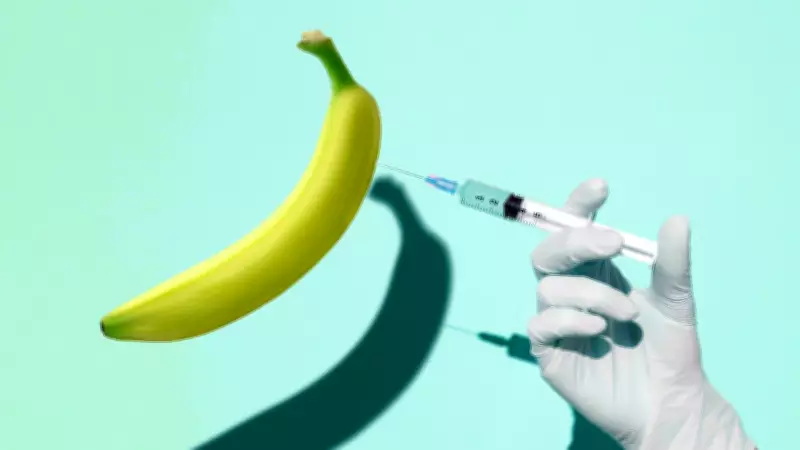
The 'Ozempic Penis' Phenomenon: Medical Experts Debunk Viral Claim
Common side effects of medications like Ozempic typically include nausea and gastrointestinal discomfort. However, a surprising new claim has captured public attention: some users report experiencing what's being called an "Ozempic penis" – a supposed increase in genital size. This term has exploded in online searches, surging over 5,000% on Google in recent weeks.
The Viral Claim Versus Medical Reality
On platforms like Reddit, where anonymity encourages candid discussion, numerous threads feature men claiming they or their partners have noticed apparent size increases since starting GLP-1 medications such as Ozempic, Wegovy, and Mounjaro. But what does medical science say about this phenomenon?
Urologists emphasize that while muscle and fat mass can change dramatically with weight loss, penis size typically remains static in adulthood, much like height or shoe size. "'Ozempic penis' is no more than an illusion created by the loss of mons pubis fat surrounding the penis," explained Dr. Paul Turek, a urologist at the Turek Clinic in San Francisco.

"Hidden or 'buried' penises simply come out of their fat hideouts," he added, noting he's observed similar claims following gastric sleeve surgery-associated weight loss.
The Visual Illusion of Weight Loss
Dr. Turek stresses that when accurately measured – stretched flaccid penis length from pubic bone to tip – penis length remains unchanged with weight loss. The appearance of increased size results from reduced abdominal and pubic fat, making more of the existing penis visible.
There may also be psychological factors at play. Dr. Jamin Brahmbhatt, a urologist at Orlando Health Medical Group, suggests some men might simply feel more confident as their bodies adjust to medication. "Some patients feel less themselves early in treatment – dizzy, low-energy, sometimes anxious about side effects – and that mental stress affects sexual performance," he noted.
Complex Effects on Sexual Health
Interestingly, GLP-1 medications might actually improve erectile function for some users. Dr. Rena Malik, a urologist and podcast host, explains that these drugs offer cardiovascular benefits that can enhance blood flow to the penis.
"That allows the penis to become more engorged with erection," she said. "If you take your penile measurement at maximum erection, your maximum erection may be larger for some."
However, the relationship between GLP-1 medications and sexual health is complex. Other users report these drugs dampening their sex drives or causing erectile dysfunction. "Seems paradoxical to think that GLPs can both improve and dampen erections, but it's true," Dr. Turek observed.
Neurological Factors and Sexual Desire
Women have also reported decreased sexual desire while using these medications. One Ozempic user described feeling about sex similarly to how they feel about large meals: "Like the thought of having sex is almost nauseating."
Dr. Malik explains this phenomenon through neurology. GLP-1 medications work on the nucleus tractus solitarius in the brain, which controls appetite and satisfaction. "When this receptor is blocked, you see appetite suppression," she said. "People may have lower cravings for food, gambling, alcohol, and potentially sex."
While this effect hasn't been extensively studied in humans, research on mice given GLP-1 drugs showed decreased sexual interaction behaviors.
The Long-Term Perspective
As weight loss stabilizes, Dr. Turek notes that testosterone levels typically rise, and sexual function often improves. "Because improvements in metabolic health occur with GLP, it can actually lead to better erections in obese and diabetic men," he explained. Many patients report that after GLP-associated weight loss, "my wood is good again."
The viral "Ozempic penis" phenomenon highlights how visual changes from weight loss can create misleading perceptions, while the actual effects of these medications on sexual health remain multifaceted and medically nuanced.