As the Ebola virus continues to devastate the Democratic Republic of Congo, health experts are warning about the risks associated with consuming bushmeat—wild animals hunted for food. The practice, common in many parts of Africa, has been linked to the transmission of zoonotic diseases, including Ebola.
Bushmeat Markets Thrive Amid Outbreak
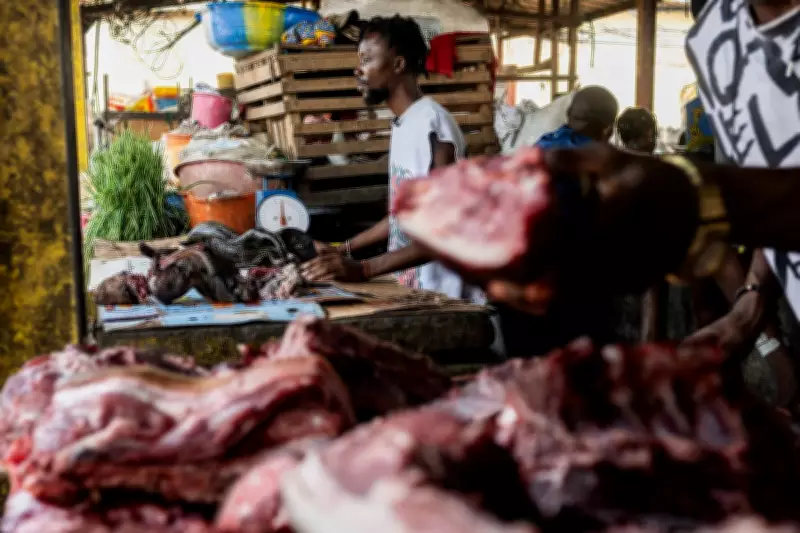
In Kinshasa's Masina market, vendors like Guyva Mputu display bushmeat for sale, including monkeys, bats, and rodents. Despite the outbreak, demand remains high, and many sellers downplay the health risks. "We have been selling this meat for generations, and no one has gotten sick," Mputu said. However, experts argue that handling and consuming infected animals can lead to human infection.
Scientific Evidence
Studies have shown that Ebola virus can be transmitted through contact with infected animals' blood, fluids, or meat. The World Health Organization (WHO) has emphasized that fruit bats are considered natural hosts, and direct contact with them or their excretions can trigger outbreaks. Dr. Jean-Jacques Muyembe, a leading Congolese virologist, stated, "The link between bushmeat and Ebola is well-documented. We must educate communities to reduce this risk."

Government Response
The Congolese government has implemented temporary bans on bushmeat trade in affected areas, but enforcement is challenging. Many people rely on bushmeat for protein and income, making alternative solutions essential. Health officials are promoting safe handling practices and encouraging the consumption of domestic meat instead.
International Concern
The WHO chief recently landed in Congo, stating that the Ebola outbreak "can be stopped" with coordinated efforts. The international community is providing support, including vaccines and medical supplies. However, addressing cultural and economic factors surrounding bushmeat remains a long-term challenge.
Experts urge that public health campaigns should focus on behavioral change without stigmatizing local traditions. Sustainable alternatives, such as farming and aquaculture, are being explored to reduce dependence on bushmeat.