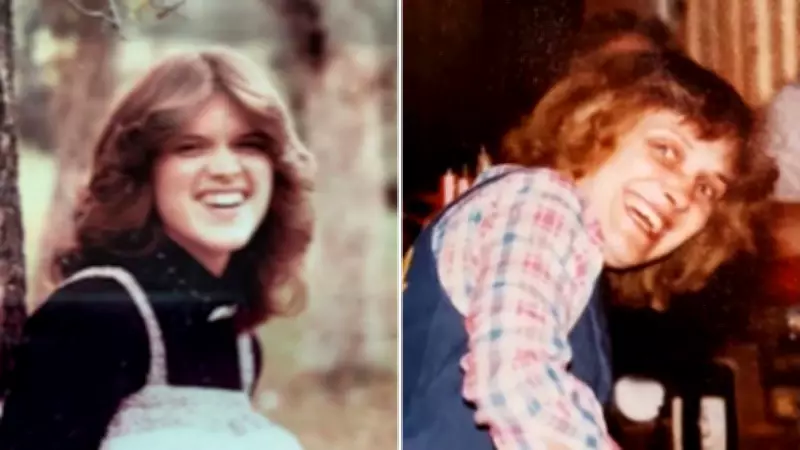
In a breakthrough case, discarded chewing gum helped convict a serial rapist of two cold case murders that had remained unsolved for decades. The evidence, collected from a crime scene, provided the crucial DNA link that led to the perpetrator's identification and subsequent conviction.
The Cold Case Murders
The victims, Susan Vesey and Judy Weaver, were killed in separate incidents in Everett, Washington. Their cases went cold until advances in forensic technology allowed investigators to revisit the evidence. The key piece was a piece of chewing gum discarded near one of the crime scenes, which contained the suspect's DNA.
Forensic Breakthrough
Using DNA profiling, law enforcement matched the genetic material from the gum to a known offender. This evidence, combined with other investigative work, led to charges being filed. The trial concluded with a guilty verdict, bringing closure to the families after years of uncertainty.

The case underscores the importance of preserving evidence and the evolving capabilities of forensic science in solving violent crimes. Experts note that even seemingly insignificant items can become pivotal in court proceedings.
Impact on Future Investigations
This conviction sets a precedent for using unconventional DNA sources in cold cases. Authorities hope it will encourage other jurisdictions to re-examine unsolved crimes with new forensic tools. Families of victims express relief that justice was ultimately served, even after many years.