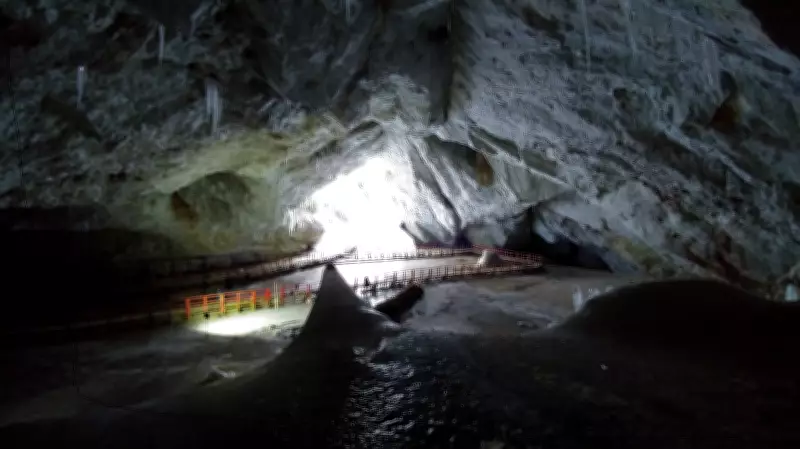
In a discovery that bridges deep history with pressing modern health concerns, researchers have extracted bacteria from an ancient ice cave in Romania, revealing it possesses a troubling resistance to antibiotics. The finding from Scarisoara Ice Cave underscores the pervasive nature of antimicrobial resistance, even in environments isolated for millennia.
A Glimpse into Prehistoric Microbial Life
The scientific team, led by experts in microbiology and paleoecology, collected samples from the frozen layers of Scarisoara Ice Cave, a natural time capsule preserving climatic and biological records. Analysis of these samples identified bacterial strains that have survived in a state of suspended animation, potentially for thousands of years. Remarkably, laboratory tests confirmed these ancient microbes exhibit resistance to multiple classes of antibiotics commonly used in contemporary medicine.
Implications for Public Health and Science
This discovery raises significant questions about the origins and evolution of antibiotic resistance. While such resistance is often attributed to the overuse of antibiotics in healthcare and agriculture, finding resistant bacteria in ancient, pristine environments suggests these traits may be naturally occurring and far older than previously assumed. Researchers emphasize that this does not diminish the role of human activity in accelerating resistance but adds a complex layer to our understanding.

The study highlights several critical points:
- Environmental reservoirs: Isolated ecosystems like ice caves may serve as reservoirs for resistant genes, which could potentially transfer to modern pathogenic bacteria through genetic exchange mechanisms.
- Evolutionary insights: Studying these bacteria provides a unique window into the evolutionary history of microbial defense mechanisms, offering clues about how resistance develops over geological timescales.
- Future risks: As climate change accelerates the melting of ice and permafrost, more ancient microbes could be released into the environment, posing unknown challenges to ecosystems and human health.
Research Methodology and Next Steps
The researchers employed sterile techniques to avoid contamination, using genomic sequencing to identify the bacteria and assess their resistance profiles. Further studies are planned to investigate the specific genetic determinants of resistance and to explore whether these traits are active or dormant in the cave environment. Collaboration with international health organizations is being considered to integrate these findings into global antimicrobial resistance surveillance efforts.
This research not only advances our knowledge of extremophile microbiology but also serves as a stark reminder of the enduring challenges posed by antibiotic resistance. As science delves deeper into Earth's frozen archives, each discovery may hold keys to safeguarding our future health.