Ancient Dog Jawbone Discovery Sheds Light on Canine Origins
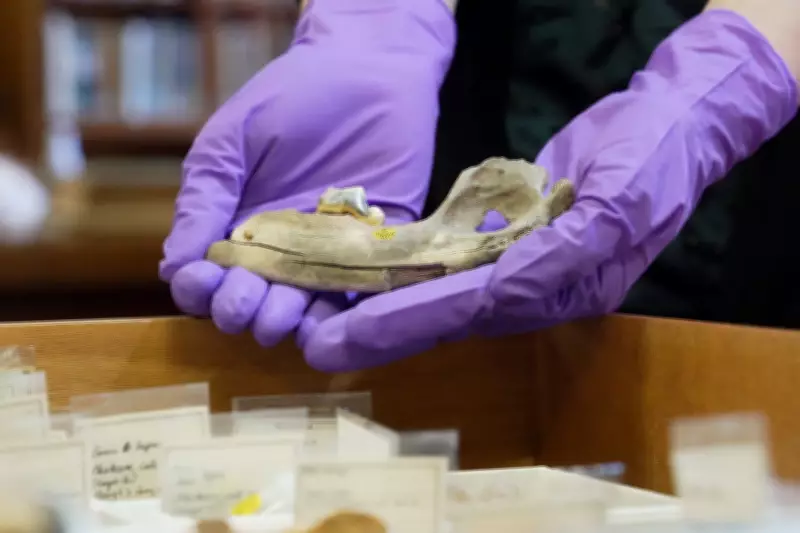
New scientific research focusing on ancient canine remains is providing groundbreaking insights into the early history and domestication of dogs. A remarkable discovery of a 14,300-year-old dog jawbone at Gough's Cave in the United Kingdom has become a focal point for researchers seeking to understand where our canine companions originated.
The Archaeological Breakthrough
On Tuesday, March 24, 2026, researchers in London presented the remarkably preserved dog jawbone, which represents one of the oldest confirmed dog remains ever discovered in Europe. This ancient specimen offers scientists a rare window into the lives of early domesticated canines during the late Pleistocene period.
The discovery at Gough's Cave, a significant archaeological site in Somerset, England, has generated considerable excitement within the scientific community. Researchers believe this jawbone could help answer longstanding questions about when and where wolves first began their transformation into the domesticated dogs we know today.

Scientific Significance and Research Methods
Scientists are employing advanced techniques including radiocarbon dating, DNA analysis, and comparative anatomy to study the ancient jawbone. These methods allow researchers to determine not only the age of the specimen but also its relationship to both ancient and modern canine populations.
The research suggests that dogs were already well-established as domesticated companions by 14,300 years ago, indicating that the process of domestication began even earlier than previously believed. This finding challenges some existing theories about the timeline of canine domestication and migration patterns across continents.
Broader Implications for Understanding Canine Evolution
This discovery contributes to a growing body of evidence about early human-canine relationships. Researchers are particularly interested in understanding how these early dogs differed from their wolf ancestors and what roles they played in prehistoric human societies.
The study of ancient dog remains like the Gough's Cave jawbone helps scientists reconstruct:
- The timing and geographic origins of dog domestication
- Genetic changes that occurred during the transition from wolves to dogs
- How early dogs spread with human populations across Europe and Asia
- The dietary habits and living conditions of prehistoric canines
These findings represent a significant advancement in our understanding of canine evolutionary history, according to researchers involved in the project. The data gathered from this ancient jawbone will be compared with other archaeological discoveries worldwide to build a more comprehensive picture of early dog domestication.
Future Research Directions
Scientists plan to continue their analysis of the Gough's Cave jawbone and other ancient canine remains to address remaining questions about early dog history. Ongoing research will focus on determining whether dogs were domesticated independently in multiple locations or spread from a single origin point.
This discovery underscores the importance of archaeological research in understanding the deep history of species that have become integral to human societies. As scientific techniques continue to advance, researchers anticipate even more revelations about the ancient bond between humans and dogs.