Ancient Bacteria in Romanian Ice Cave Exhibits Antibiotic Resistance
In a groundbreaking discovery that challenges our understanding of microbial evolution, researchers have extracted bacteria from the Scarisoara Ice Cave in Romania that has been isolated for thousands of years. Remarkably, this ancient bacteria demonstrates resistance to modern antibiotics, according to a recent scientific study.
Isolation and Discovery in Scarisoara Cave
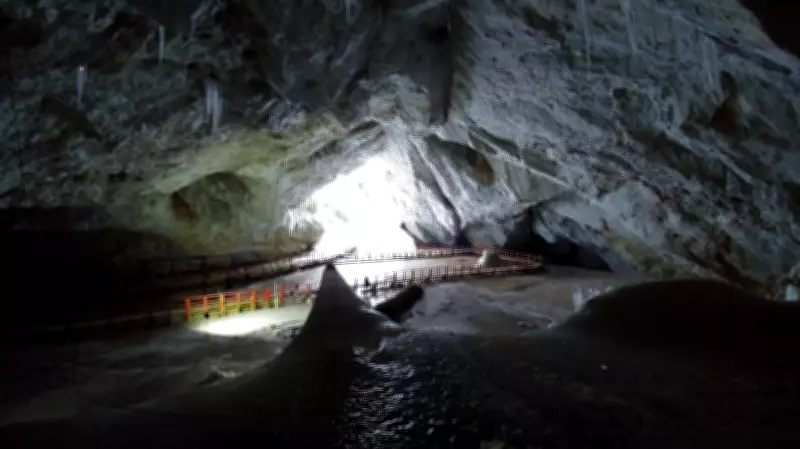
The Scarisoara Ice Cave, located in the Apuseni Mountains of Romania, has provided a unique environment where bacteria have been preserved in ice for millennia. Scientists carefully extracted samples from this subterranean environment, which has remained largely untouched by human activity or contemporary environmental influences.
What makes this discovery particularly significant is that these bacteria developed antibiotic resistance mechanisms without any exposure to modern pharmaceutical compounds. This suggests that resistance traits may be more ancient and widespread in nature than previously understood.

Implications for Antibiotic Resistance Research
The findings have profound implications for our understanding of antibiotic resistance evolution. Traditionally, the medical community has attributed the rise of antibiotic-resistant bacteria primarily to:
- Overuse of antibiotics in medical treatment
- Agricultural applications in livestock
- Environmental contamination from pharmaceutical manufacturing
However, this discovery indicates that resistance mechanisms may exist naturally in isolated environments, predating human antibiotic use by thousands of years. This challenges the assumption that antibiotic resistance is solely a modern phenomenon driven by human activity.
Scientific Methodology and Analysis
Researchers employed sophisticated techniques to extract and analyze the bacterial samples while maintaining sterile conditions to prevent contamination. The study involved:
- Careful extraction of ice core samples from multiple depths within the cave
- Genetic sequencing to identify bacterial species and their characteristics
- Testing against multiple classes of antibiotics to determine resistance patterns
- Comparative analysis with modern bacterial strains to identify evolutionary relationships
The bacteria showed resistance to several commonly used antibiotics, suggesting that these resistance mechanisms developed independently through natural evolutionary processes rather than through exposure to human-made pharmaceuticals.
Broader Implications for Public Health
This discovery has significant implications for public health strategies combating antibiotic resistance. Understanding that resistance mechanisms exist naturally in the environment may help researchers:
- Develop more effective strategies to combat resistant infections
- Better predict how resistance might evolve in clinical settings
- Create new approaches to antibiotic development that account for natural resistance mechanisms
The study underscores the importance of continued research into extreme environments like ice caves, which may harbor microorganisms with unique adaptations that could inform medical science.
Future Research Directions
Scientists plan to continue studying the Scarisoara Ice Cave bacteria to better understand the specific genetic mechanisms behind their antibiotic resistance. Additional research may explore whether similar resistance traits exist in other isolated environments worldwide, potentially revealing a broader pattern of natural antibiotic resistance evolution.
This discovery serves as a reminder that microorganisms have been evolving complex defense mechanisms for millions of years, and that human understanding of microbial evolution remains incomplete. As antibiotic resistance continues to pose a significant global health threat, studies like this provide crucial insights that may help shape future medical interventions and public health policies.