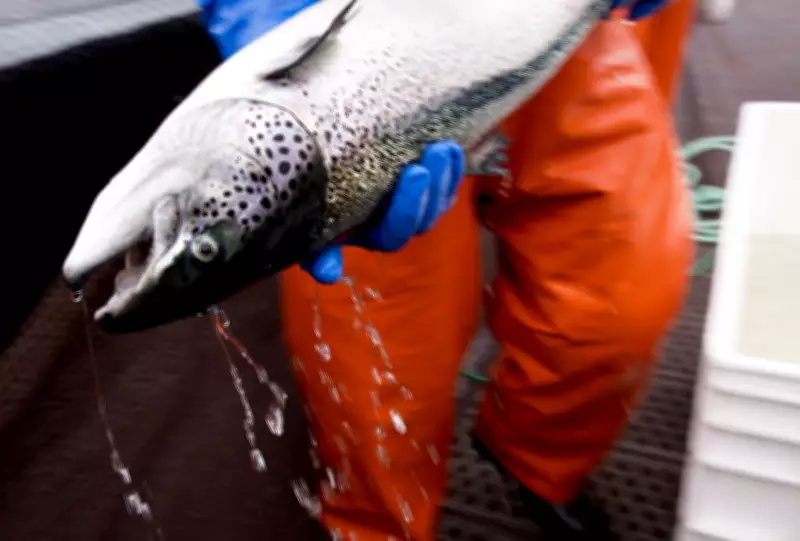
A recent study has revealed that Atlantic salmon exposed to low concentrations of cocaine exhibit altered swimming behavior, swimming farther and faster than unexposed fish. The research, conducted by scientists from a European university, highlights the potential impact of pharmaceutical pollutants on aquatic ecosystems.
Study Methodology
Researchers exposed juvenile Atlantic salmon to trace amounts of cocaine, simulating levels found in some waterways due to human waste and improper disposal. The fish were then placed in a controlled environment to monitor their movement patterns. Results showed a significant increase in swimming activity and distance traveled compared to a control group.
Key Findings
- Exposed salmon swam up to 30% farther than unexposed fish.
- Increased swimming speed was observed in the treated group.
- Behavioral changes persisted for several days after exposure.
Environmental Implications
The findings add to growing evidence that pharmaceutical residues in water can alter wildlife behavior. Cocaine and other drugs enter waterways through sewage systems, affecting aquatic organisms. Previous studies have shown similar effects in fish exposed to antidepressants and birth control hormones.

Dr. Elena Martinez, lead author of the study, emphasized the need for improved wastewater treatment. "Our research underscores the unseen consequences of drug pollution. Even low levels of cocaine can disrupt natural behaviors, potentially affecting survival and reproduction," she said.
Broader Context
This study is part of a larger body of research on pharmaceutical pollution. Other contaminants, such as caffeine and antibiotics, have also been detected in water bodies worldwide. The long-term ecological impacts remain unclear, but experts urge caution.
The research was published in the journal Environmental Science & Technology. Further studies are planned to investigate the effects of other common drugs on aquatic life.