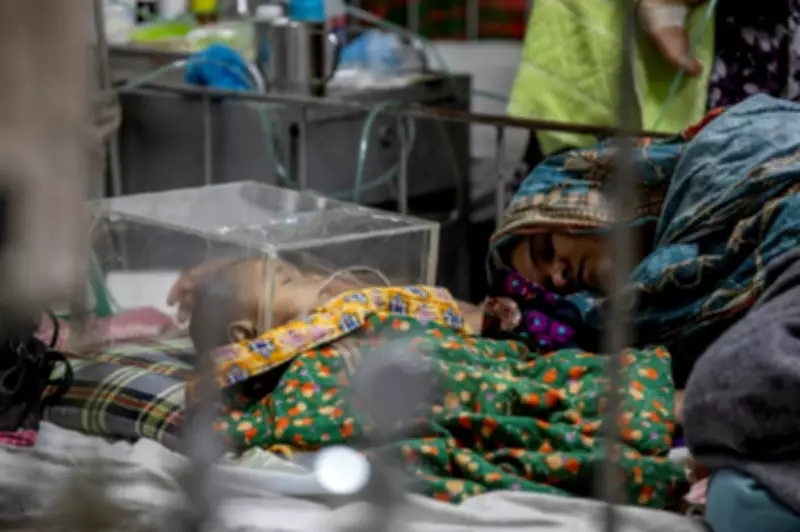
A measles outbreak in Bangladesh has killed more than 500 children, government data showed Saturday, marking the country's deadliest surge in decades of the preventable disease.
Hospitals overwhelmed
Hospitals in the capital Dhaka have been overwhelmed with cases and set up dedicated wards to take patients, but are scrambling with a shortage of intensive care beds. Deaths are still rising, with 13 children dying in the past 24 hours alone, taking the toll from the disaster to 512, according to health department figures since March 15.
Mass vaccination drive
The South Asian nation has rolled out a mass vaccination drive to combat the outbreak, and UNICEF country chief Rana Flowers said this week that the campaign has now reached 18 million children. But the health department said the full impact of the vaccinations would take months to be felt.

Root causes
UNICEF said on Wednesday that gaps in immunisation worsened during and after the chaos of a 2024 uprising that toppled the country's autocratic government, leaving large numbers of children unprotected. Measles is highly contagious, spreading through coughs and sneezes, and has no specific treatment once caught. Complications can include brain swelling and severe breathing problems. While the disease can affect anyone, it is most common among children.
Vulnerable populations
Health workers say the worst-hit children are often malnourished and from low-income families. Many had missed routine vaccinations or had weakened immunity due to poor nutrition, or both. The health department's death toll comes after the government claimed the outbreak was now contained, noting a decline in cases in several previously hard-hit areas.
Demographics
Most cases recorded in Bangladesh during the current outbreak have been among children aged between six months and five years. Doctors say many of the children arriving at hospitals are already critically ill. "Though measles is highly contagious, a healthy baby with no complications can survive with minimal medication," Ainul Islam Khan, a paediatrician at Dhaka's Shaheed Suhrawardy Medical College and Hospital, told AFP. "Here, most children came to the hospital with respiratory distress and infections in the eyes, throat and lungs."
Call to action
UNICEF's Flowers stressed the need to boost vaccination programmes and increase funding for health facilities, surveillance and data systems in the future.