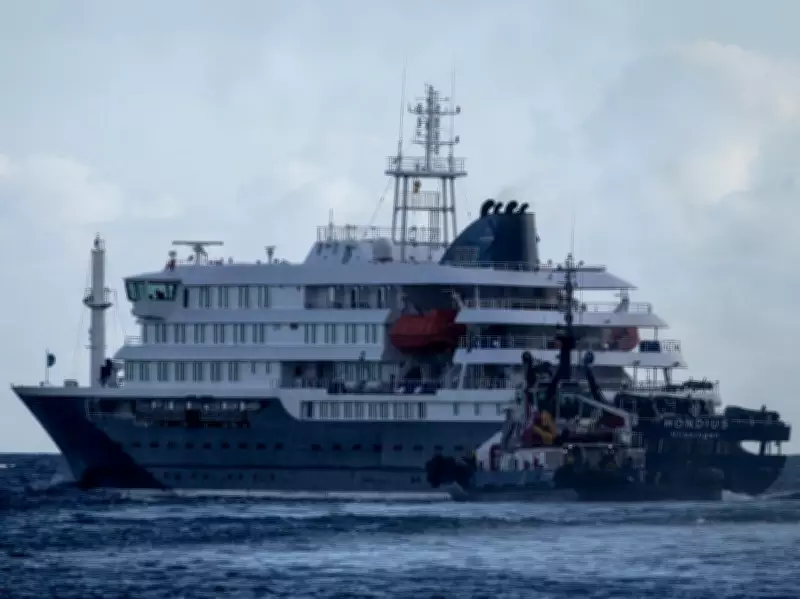
On April 1, 114 guests and 61 crew members boarded the MV Hondius unaware that a deadly virus was among them. The ship has since been dubbed the “Ship of Fools” due to reckless disregard for infection control principles, exposing passengers and thousands worldwide to the rare Andes strain of hantavirus, a disease found in rat urine and feces with a 40% mortality rate.
Among the passengers was a 70-year-old birdwatcher who had spent his final days ashore in an Argentinian dump covered with rat feces. On April 11, he died on board after five days of illness. No tests were conducted to determine the cause of death, despite his wife alerting staff to his whereabouts before boarding.
Days later, the ship allowed 34 passengers and crew to disembark freely at St. Helena and board planes to destinations worldwide. The birdwatcher’s wife became so ill during the flight that she was taken to a hospital in Johannesburg, South Africa, where she died immediately. A Spanish woman on the same flight now shows symptoms and is being tested in Alicante.

Global Scramble to Contain the Virus
Health authorities worldwide are tracing the remaining passengers. Some have carried the virus onto airplanes and to weddings, business meetings, hotels, and hospitals in South Africa, the Netherlands, and Switzerland. Officials in Arizona, California, Georgia, New Jersey, Texas, and Virginia are monitoring for infections among early disembarking passengers and exposed air travelers. The incubation period can extend up to seven weeks.
Preventable Crisis
This crisis was entirely preventable, according to experts. While there is no vaccine or medication for Andes hantavirus, the real issue is failing to follow infection prevention principles. The ship’s commanders neglected to test for the cause of the birdwatcher’s death or consider that others might be infected. The travel industry must implement rigorous infection control routines, especially for trips to remote areas where exposure to wildlife is common.
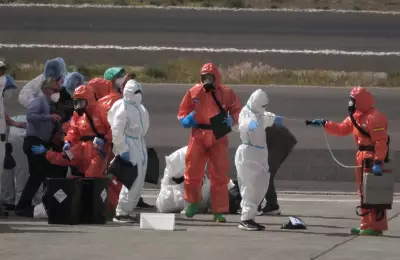
Not until May 2, nearly a month later, did the ship request help from the World Health Organization as more fell ill. Four were evacuated to hospitals, and eventually, remaining passengers were transported in sealed buses, wearing masks, to military transport planes. Most Americans will be held in the National Quarantine Unit in Omaha, Nebraska; two who tested positive are hospitalized in Atlanta.
Ongoing Risks
Hospitals on multiple continents now face patients with unidentified infections. A Dutch hospital quarantined 12 staff members who handled a hantavirus patient’s blood and urine without precautions. The lesson echoes the 2003 SARS outbreak, where a Vancouver hospital isolated a traveler immediately, while a Toronto hospital allowed an infected patient to wait hours in the emergency room, sparking an epidemic.
Global travel makes infection prevention more vital than ever. When ignored, lives are at risk.