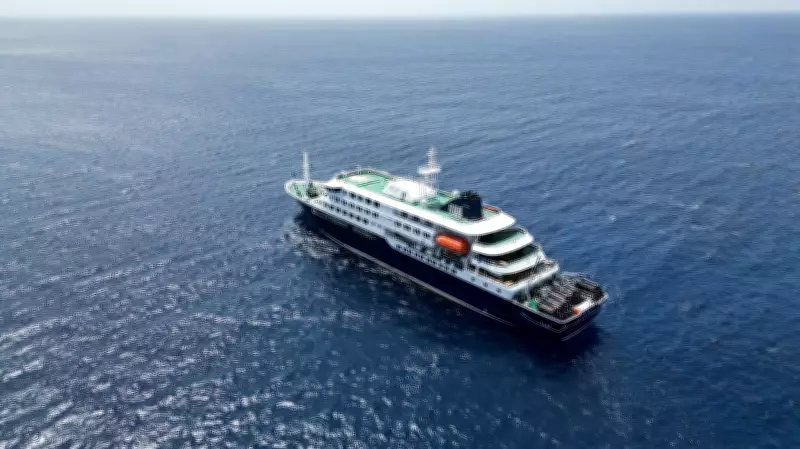
A cruise ship that departed from Argentina on April 1 is currently at the center of a hantavirus outbreak. The virus, which typically spreads through rodent droppings and saliva, causes flu-like symptoms and can be fatal. There are seven confirmed cases aboard the MV Hondius, including three deaths.
Human-to-Human Transmission of Andes Strain
The World Health Organization suspects that hantavirus spread on board via human-to-human transmission, a rare occurrence that can happen with certain strains. This includes the Andes strain, which is currently affecting passengers. Kari Moore Debbink, a teaching professor at Johns Hopkins Bloomberg School of Public Health, explained that the Andes strain is the only type shown to possibly transmit from human to human. It is found mostly in Chile and Argentina, the ship's port of origin. A couple who died from hantavirus traveled through Argentina before boarding.
Expert Opinions on Public Risk
Experts say the average person does not need to worry about hantavirus right now. Jennifer Nuzzo, director of the Pandemic Center at Brown University, called it a concerning outbreak but not concerning for the general public. Dr. William Schaffner from Vanderbilt University Medical Center noted that it is a confined, localized problem. He expressed concern for those on the ship and caregivers but said it is not a matter of more general concern. A Swiss man who traveled on the ship tested positive in Switzerland, but the Swiss government stated there is no risk to the Swiss public.

Comparison to COVID-19
Debbink is not concerned about hantavirus becoming the "new COVID." She noted that transmission only occurred between people in very close proximity or with intense interactions. The U.K. Health Security Agency suspects close contact is necessary for transmission. If the outbreak were spreading easily, more people on the ship would be sick. With seven cases out of 147 passengers, the virus is not very efficient at human-to-human transmission. This differs from coronavirus, which spreads quickly and easily.
Transmission and Prevention
Hantavirus is usually transmitted by exposure to contaminated droppings or urine. Nuzzo emphasized that it is not a top concern compared to new flu or coronavirus strains. The outbreak is concerning because it has killed three people, but there is no sign the virus is evolving. Experts stress the importance of paying attention to learn more about the virus.
Advice for Travelers
People with upcoming cruises do not need to cancel. Debbink said the situation is extremely rare and the risk to the average person is nonexistent, especially outside Argentina or Chile. Schaffner advised staying tuned for updates, though changes are unlikely. In the U.S., hantavirus is most prevalent in the Southwest and transmitted via rodent waste. Nuzzo said she is not changing her life for this but recommends caution with rodent droppings, wearing gloves, and practicing good hand hygiene. In the Southwest, wetting down dust or dirt can prevent aerosolization of droppings.
Public Health Implications
This outbreak underscores the importance of public health funding and research. The U.S. withdrew from the World Health Organization earlier this year. Nuzzo noted that a well-equipped public health system is crucial because viruses can do bad things. The outbreak on the MV Hondius is difficult to handle as it occurs in international waters. Countries need strong partnerships and collaboration with the WHO to share information. Nuzzo warned against dismantling safety systems after COVID, as time and knowledge are key tools against viral threats.