New COVID-19 Variant BA.3.2 Detected Across 25 U.S. States, CDC Reports
A newly identified COVID-19 variant, designated BA.3.2, has been detected in wastewater samples across 25 states, according to a recent report from the Centers for Disease Control and Prevention. The variant, which first emerged in South Africa in November 2024, has since spread to at least 23 countries and currently accounts for approximately 30% of COVID-19 cases in certain European regions.
Initial U.S. Detection and Current Prevalence
BA.3.2 was first identified in the United States in January 2026 and currently represents less than 1% of total COVID-19 cases nationwide. Dr. Abraar Karan, an instructor in the Division of Infectious Diseases and Geographic Medicine at Stanford University School of Medicine in California, confirmed this low prevalence. "In the U.S., it has been detected in wastewater across multiple states which suggests low-level spread, but it has not emerged as the dominant variant," explained Dr. Syra Madad, an epidemiologist and author of the Substack Critical Health Voices, in an email statement to HuffPost.
The current dominant variant in the United States remains XFG, according to official CDC data. While COVID-19 infection levels remain relatively low throughout most of the country, public health researchers are paying close attention to BA.3.2 due to its distinctive genetic characteristics.

Concerning Spike Protein Mutations
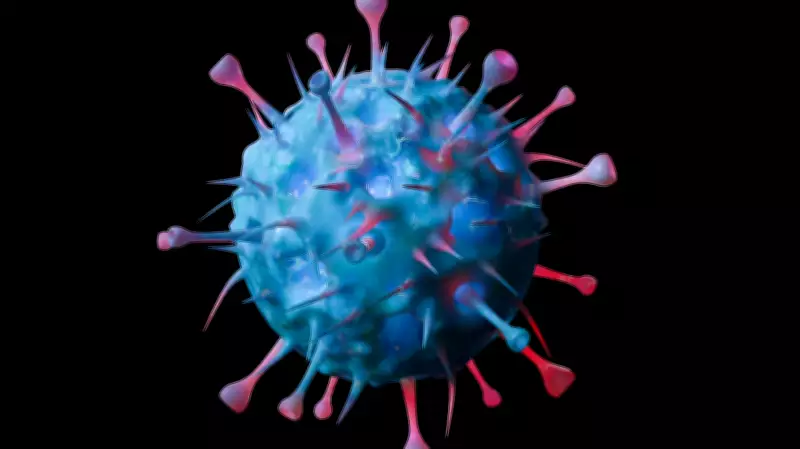
What makes BA.3.2 particularly noteworthy to scientists is its significant number of mutations, especially within the spike protein region of the virus. "BA.3.2 is a newer SARS-CoV-2 variant that public health officials are watching closely because it has a large number of spike protein mutations, which may help it partially evade immunity from prior infection or vaccination," Dr. Madad emphasized.
Dr. Karan further elaborated on the potential implications of these genetic changes. "It does have more mutations than some other variants ... in the spike protein, which is particularly relevant for various proxies of whether this could cause more problems to humans." These alterations to the spike protein could potentially make the virus more transmissible or contagious, though researchers are still studying the exact effects.
The mutations present in BA.3.2 make this variant potentially worrisome and are precisely why it has captured researchers' attention as they monitor emerging COVID-19 variants. "So, I would say it is concerning in that way," Dr. Karan added, highlighting the need for continued surveillance.
Symptoms and Disease Severity
Currently, it remains unclear whether BA.3.2 causes any new or distinctive symptoms compared to other COVID-19 variants. Since BA.3.2 comprises only a small percentage of current COVID-19 cases, researchers face challenges in precisely characterizing its symptom profile. However, Dr. Karan noted that current COVID symptoms generally resemble those observed in recent years.
"Upper respiratory symptoms, not pneumonias, but more runny noses, sneezing, headaches, body aches," he described. The critical question regarding disease severity remains unanswered. "We're still going to have to wait and see whether or not this variant causes more severe disease," Dr. Karan cautioned. "That's really the big question with any COVID variant at this point."
Dr. Madad provided some reassurance, stating, "So far there is no evidence that it is causing more severe illness on a population level." Recent COVID variants have generally caused milder disease compared to the original strain that emerged in 2020, though COVID-19 continues to cause hospitalizations, deaths, and long COVID cases, albeit at reduced rates.
Protection and Prevention Measures
Health experts recommend several protective measures to reduce COVID-19 risk this spring, particularly as new variants emerge. These precautions include:

- Practicing frequent hand-washing with soap and water
- Wearing masks in crowded indoor spaces
- Avoiding close contact with individuals who are sick
- Staying current with recommended COVID-19 vaccinations
If you experience any COVID-19 symptoms, health authorities advise staying home and away from others. Taking a COVID-19 test is recommended, and if you test positive, consulting with a healthcare provider about antiviral treatments that can accelerate recovery.
Vaccine Effectiveness and Genetic Distinctiveness
The CDC report authors noted that BA.3.2 "represents a new lineage of SARS-CoV-2" and is "genetically distinct from the JN.1 lineages (including LP.8.1 and XFG) that have circulated in the United States since January 2024."
While current COVID-19 vaccines were specifically designed to target the LP.8.1 variant, they still offer meaningful protection against BA.3.2. "The current COVID vaccines are still expected to provide meaningful protection, especially against severe illness, hospitalization and death," Dr. Madad explained. "Lab studies suggest BA.3.2 may reduce some antibody protection compared with other circulating variants but vaccines remain an important layer of defense, particularly for older adults and higher-risk groups."
Current COVID-19 Landscape and Expert Advice
COVID-19 activity remains low and continues to decline across most of the United States, with corresponding decreases in hospitalizations and emergency department visits. Dr. Madad summarized the current situation and recommendations: "The best advice this spring is to stay up-to-date on vaccination, practice good hand hygiene, stay home when sick and take extra precautions if you're older or immunocompromised. This is very much a 'stay aware, not alarmed' moment."
Public health officials continue to monitor BA.3.2 and other emerging variants while emphasizing that established preventive measures remain effective tools for reducing COVID-19 transmission and severe outcomes.