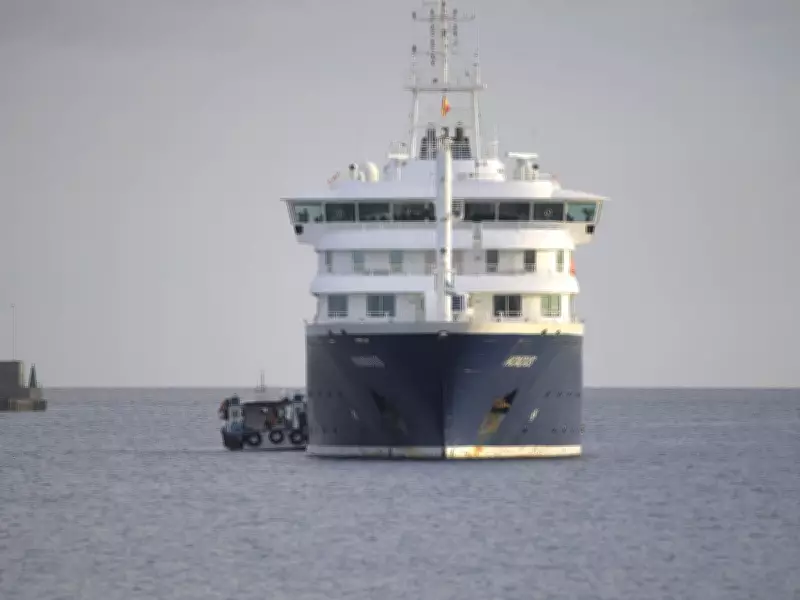
Four Canadians who were aboard a cruise ship affected by the deadly hantavirus are expected to arrive in British Columbia on Sunday, according to the provincial health officer. Dr. Bonnie Henry stated that the group, none of whom currently display symptoms of the disease, will travel on a plane chartered by the Public Health Agency of Canada and will be placed under quarantine upon arrival.
Quarantine and Monitoring Plans
Upon landing, the individuals will be screened and assessed by local public health officials. They will then be transported directly to safe, pre-arranged lodgings, where they will begin an initial 21-day self-isolation period under daily monitoring by public health teams. Dr. Henry emphasized that at no point during their arrival or isolation will they be in contact with the public.
Because of the lengthy incubation period associated with hantavirus exposure, the isolation period might be extended to 42 days if necessary. The four Canadians will have access to medical care and other supports throughout the quarantine process.

Background on the Outbreak
Hantavirus was confirmed among a cluster of passengers aboard the Dutch-flagged cruise ship MV Hondius on May 2. The severe respiratory illness has resulted in three deaths and is suspected to have sickened four others among the 147 passengers and crew. The virus can cause fever and gastrointestinal symptoms, and can progress rapidly to pneumonia, acute respiratory distress, and shock.
According to the World Health Organization, human hantavirus infection is primarily acquired through contact with the urine, feces, or saliva of infected rodents. Although uncommon, limited human-to-human transmission has been reported in previous outbreaks of the Andes virus, a specific species of hantavirus. The WHO rates the risk to the global population from this outbreak as low.
Coordination and Safety Measures
The plan to isolate and monitor the passengers has been coordinated by the provincial health officer, the B.C. Centre for Disease Control, local public health teams, and federal partners including the Public Health Agency of Canada, Canada Border Services Agency, and Global Affairs Canada. Dr. Henry noted that in the unlikely event that symptoms develop, British Columbia has established protocols, experienced clinical teams, and specialized capacity, including a biocontainment treatment centre at Surrey Memorial Hospital.
Dr. Henry reassured the public, acknowledging that news like this may cause concern, particularly in light of the COVID-19 pandemic. However, she stressed that hantavirus is very different from respiratory viruses such as COVID-19. It does not spread in the same way and is not considered a disease with pandemic potential. "Our priority is the health and well-being of these returning Canadians and the safety of British Columbians. We are taking every measure to minimize and eliminate any risk to the public," she said.