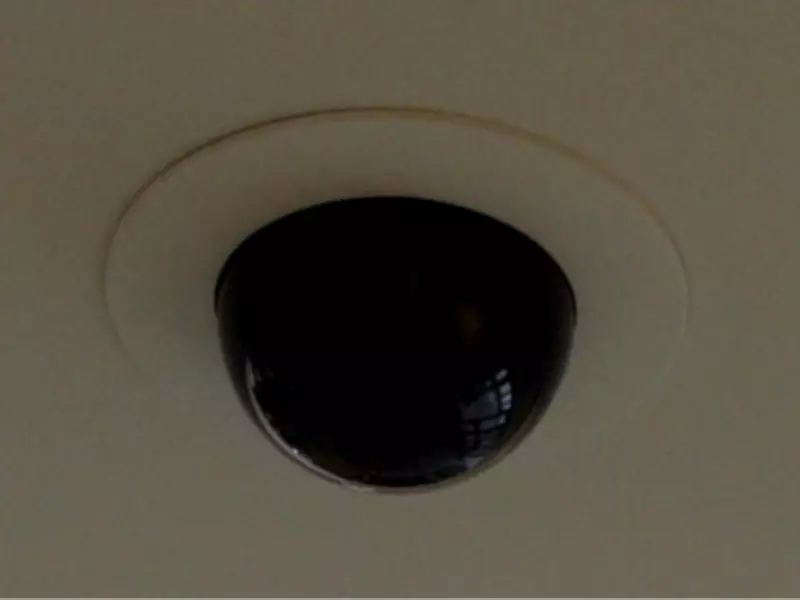
A Toronto plastic surgeon has been ordered to pay $21.5 million in damages, plus an additional $1 million in punitive damages, to former patients after an Ontario judge determined that he violated their privacy by installing 24 cameras throughout his clinic, including in sensitive treatment areas.
Background of the Case
The ruling emerged from the common issues portion of a class action lawsuit against Dr. Martin Jugenburg, who was widely known for performing breast augmentations, Brazilian butt lifts, and tummy tuck procedures. The plaintiffs alleged that Jugenburg and his company were negligent in operating the video surveillance system, committed a breach of fiduciary duty toward their patients, and violated trust and the tort of “intrusion upon seclusion.”
Camera Locations and Discovery
According to the court, the cameras were placed in areas where patients would expect privacy, including consultation rooms, examination rooms, operating rooms, and the post-operative recovery area. The small devices were attached to the ceiling in room corners. Photographs presented at trial showed the cameras were not concealed, but the court noted they were in the ceiling and went unnoticed by most people.

The surveillance system was first exposed in a 2018 CBC Marketplace undercover investigation. After Marketplace contacted Ontario’s medical regulatory body, the College of Physicians and Surgeons of Ontario (CPSO), and the Office of the Information and Privacy Commissioner of Ontario (IPC), CPSO went to the clinic, disabled the camera system, and removed digital video recorders containing footage. The IPC later released a decision that the clinic’s blanket use of surveillance cameras contravened the Personal Health Information Protection Act.
Lack of Warning Signs
Prior to the CBC investigation, the only sign inside the clinic warning patients of surveillance cameras was obscured on a shelf in the operating room. There were no signs in other areas, including consultation or examination rooms where patients would be required to undress.
Court Findings and Damages
Justice Paul Schabas concluded that the defendants were negligent in operating the surveillance video system in private areas without the knowledge or consent of patients. He found it appropriate to award aggregate damages of $21.5 million for the tort of intrusion upon seclusion, plus $1 million in punitive damages. The court noted that other torts depend on proof of actual harm, so counsel will confer on a process to address individual claims for negligence and breach of fiduciary duty.
The class action was initiated in November 2019. This landmark ruling underscores the seriousness of patient privacy violations in medical settings.