Saskatchewan Centralizes High-Risk Infant Surgeries at Saskatoon Children's Hospital
The Saskatchewan Health Authority (SHA) has implemented a significant change in pediatric surgical care, directing all high-risk newborn surgeries exclusively to Jim Pattison Children's Hospital (JPCH) in Saskatoon. This consolidation, which took effect April 1, marks a strategic shift from the previous practice where such procedures could also be performed at Regina General Hospital.
Specialized Care Requires Centralization
Dr. Mike Kelly, the provincial head of surgery, emphasized during a news conference at Regina General Hospital that this move is essential for maintaining the highest standards of patient safety and care quality. "These patients require highly specialized teams to provide their care, and that care must be delivered frequently enough to maintain skills and expertise in the best interest of patient safety and quality of care," Dr. Kelly stated.
The decision follows recommendations from the provincial department of anesthesiology and reflects the evolving landscape of pediatric healthcare in Saskatchewan since JPCH opened its doors in September 2019. Over the past twenty months, Saskatoon has handled approximately three times the number of newborn surgery cases compared to Regina, according to Dr. Mateen Raazi, the provincial head of anesthesiology.

Impact on Patients and Transportation Concerns
The policy change affects several vulnerable patient groups: full-term babies up to eight weeks old, premature infants up to forty-eight weeks post-conception date, and medically-complex babies requiring pediatric intensive care. The SHA estimates this will impact approximately one to two patients monthly.
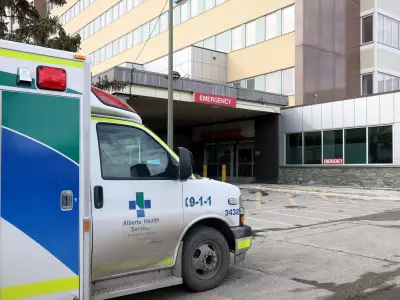
However, the consolidation has raised concerns about transportation logistics for critically ill infants. Saskatchewan NDP health critic Meara Conway highlighted these worries during a separate news conference, sharing an internal SHA memo detailing the changes. "These are the youngest and most vulnerable people in society. They deserve access to immediate emergency health care here in our province's capital," Conway asserted, adding that transportation arrangements for critically ill infants can sometimes take hours, potentially putting babies at risk of serious injury or avoidable death.
Medical Community's Perspective on Safety
Medical officials have countered these concerns by emphasizing the expertise of existing transport teams and the clinical benefits of centralization. Dr. Alan Beggs, deputy chief medical officer for Regina, stated unequivocally that no lives would be put at risk by transitioning surgeries exclusively to Saskatoon. "Patients are born in all of our regional centres, not just the large urban centres. Our transport teams are exceptional and do this work on an ongoing basis," Beggs explained.
Dr. Raazi, who specializes in pediatric anesthesiology, reinforced this perspective: "All of us feel very strongly that care should be provided as close to home as possible, and when it's not possible, then it should be the safest care at the safest place." He noted that neonatal anesthesia represents one of the most challenging medical subspecialties to staff, with limited professionals available nationally and internationally.
Building Proficiency Through Consolidation
The relatively small caseload in Regina had made it difficult for medical teams to maintain proficiency in neonatal anesthesia, according to Dr. Beggs. By consolidating these complex cases at JPCH, where specialized teams are already established, healthcare providers can ensure consistent expertise while allowing anesthetists in Regina to focus on other areas of need within the healthcare system.
This strategic realignment represents Saskatchewan's ongoing efforts to optimize pediatric surgical care through centralization of resources and expertise, ensuring that the province's most vulnerable patients receive the highest standard of specialized medical attention available.