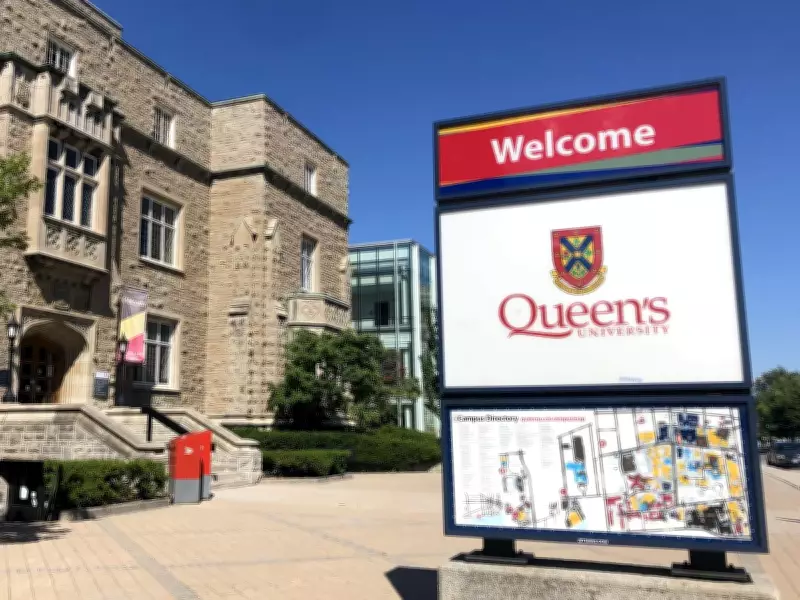
A group of retired employees from Queen's University in Kingston, Ontario, has expressed dissatisfaction with the transition of their pension funds to the newly established University Pension Plan (UPP), stating that the change has left them struggling to cope with rising inflation.
The UPP, a multi-employer pension fund launched in 2021, was created to address funding issues and enhance retirement security for university employees across Ontario. Queen's University, along with two other institutions, merged their retirement funds into this professionally managed plan, aiming to benefit from larger-scale investments and ensure the sustainability of defined benefit pensions.
However, retirees argue that the indexation formula from Queen's original pension plan, which was conditional on investment performance and maintained after the merger, has not aligned well with UPP's investment strategy. This mismatch has resulted in stagnant pension payouts in recent years, despite significant increases in the cost of living.

According to a spring 2026 newsletter from the Retirees Association of Queen's (RAQ), members have raised significant concerns after receiving their 2025 pension adjustment letters. The letters revealed that UPP investments delivered a net fund return of only three percent for the 2024-25 period. Since UPP took over pension management in 2021, retirees have seen little to no increase in their pensions.
Not all pension plans include indexation to keep up with inflation, but Queen's had a conditional indexation formula that was carried over to UPP. This formula provides for an increase to a retiree's base pension if an average return target is met over a rolling four- or six-year period, depending on the retirement date. Under the previous standalone plan, Queen's invested heavily in public equities, which often met the target due to strong stock market performance, except during the 2008 financial crisis. Consequently, retirees received additional payouts for many years.
Under UPP, the investment strategy shifted to include private assets such as infrastructure and real estate, aiming for diversification to weather various market conditions and mitigate risk. This transition has led to more volatile returns since 2021, including a net loss of 9.1 percent in 2022. These figures, when fed into the performance-based formula, have meant that some retirees, like former Queen's operating engineer Gordon Crawley, have received no increases since retiring in November 2021. Meanwhile, the consumer price index (CPI) has risen by over 16 percent during that period, according to Bank of Canada data.
Crawley, who worked for 37 years at Queen's central heating plant, expressed the difficulty of managing without pension increases, especially knowing that no additional payments will be made until the fund's returns recover the lost ground.