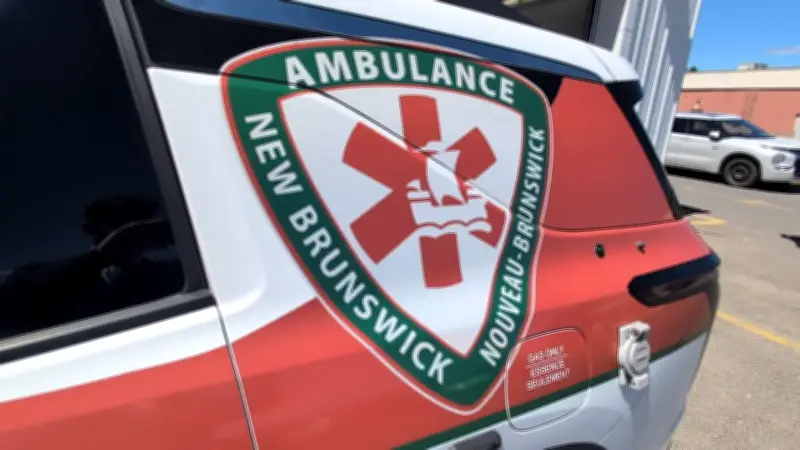
The New Brunswick government has announced the launch of a new shared-response system for ambulances and the 811 health line, designed to streamline emergency medical services and reduce response times. The initiative, revealed on June 10, 2026, aims to integrate dispatch operations to ensure faster and more efficient care for residents.
How the System Works
The shared-response system will coordinate ambulance dispatches with 811 nurses, allowing for better triage and resource allocation. When a call comes in, dispatchers can assess whether a patient needs an ambulance or can be directed to alternative care options, such as a primary care provider or a pharmacist. This approach is expected to free up ambulances for true emergencies.
Key Features
- Integrated Dispatch: Ambulance and 811 calls will be handled by a single center, improving communication and reducing duplication.
- Enhanced Triage: Nurses will provide immediate assessment and guidance, potentially avoiding unnecessary ambulance trips.
- Faster Response: By prioritizing critical cases, the system aims to cut wait times for life-threatening situations.
Benefits for Residents
The new system is part of a broader effort to modernize healthcare in New Brunswick. Officials say it will help manage growing demand for emergency services, especially in rural areas where ambulance coverage is limited. Patients will also benefit from more consistent and coordinated care.

Implementation Timeline
The shared-response system will roll out in phases, starting with pilot programs in select regions before expanding province-wide. Training for dispatchers and 811 staff is already underway, with full implementation expected by early 2027.
This initiative reflects a growing trend across Canada to integrate emergency and non-emergency health services, aiming to reduce strain on hospitals and improve patient outcomes. The government plans to monitor the system closely and make adjustments based on feedback and data.