Montreal's hospital emergency rooms faced a severe crisis on Tuesday morning, December 30, 2025, struggling under immense pressure just one day after a significant freezing rain event. Data revealed a system pushed far beyond its limits, with the majority of facilities operating dangerously over capacity.
Critical Overcrowding Across the City
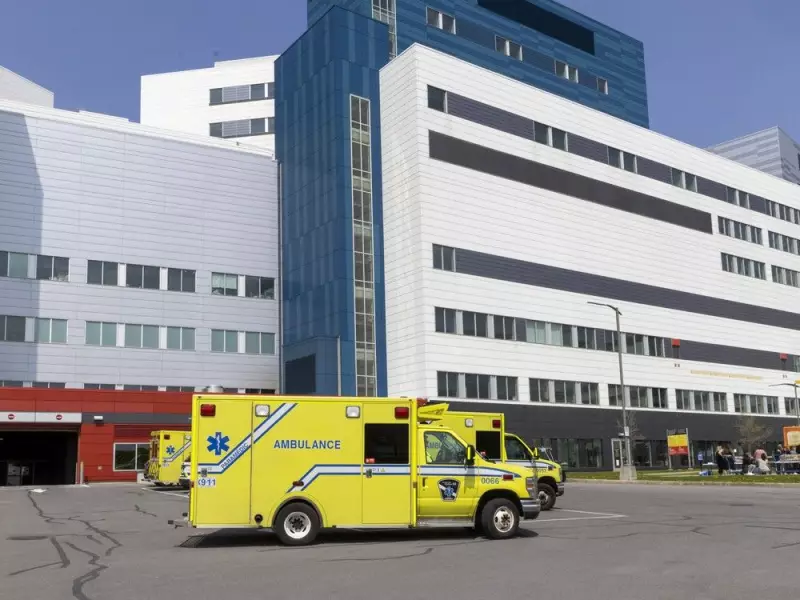
According to figures from the Index Santé website monitored at 6:30 a.m., a staggering 15 out of 21 local emergency departments reported occupancy levels exceeding 100 per cent. The situation was most dire at three specific hospitals, where occupancy soared past the 200 per cent mark, indicating patients were being treated in hallways and overflow areas.
The busiest facility in the city was the McGill University Health Centre’s (MUHC) Glen site, with an occupancy rate hitting 215 per cent. It was closely followed by the West Island’s Lakeshore General Hospital at 206 per cent and the Jewish General Hospital at 202 per cent.

Seasonal Pressures and Storm Aftermath
The latest surge in ER activity follows a seasonal spike in influenza cases combined with a rise in injuries directly attributable to Monday's ice storm. Slippery conditions from the freezing rain likely led to an increase in falls and related accidents, adding to the usual patient load.
In a contrasting piece of positive news, the city's pediatric emergency rooms were experiencing significantly lower volumes. The ER at Ste-Justine Hospital was operating at 50 per cent capacity, while the Montreal Children’s Hospital reported 67 per cent occupancy. This suggests that a pre-holiday plea from these hospitals—urging caregivers to only bring children in for genuine emergencies—was largely heeded by the public.
A System Under Strain
The data paints a clear picture of an emergency healthcare system in Montreal operating under extreme duress. The fact that the city's largest ER was functioning at more than double its intended capacity highlights the ongoing challenges of patient flow, staffing, and resource allocation within the network. Such overcrowding can lead to longer wait times, increased strain on medical staff, and potential risks to patient care and outcomes.
The event underscores the vulnerability of critical infrastructure to extreme weather events and the compounding effect they have on already stretched public health services.