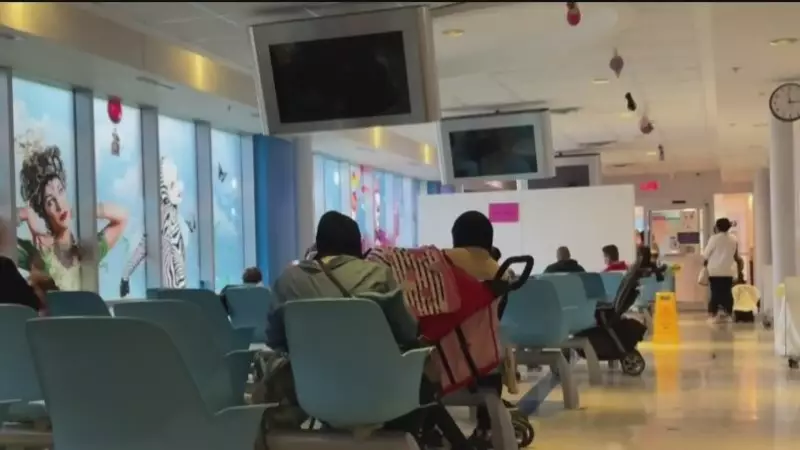
Emergency rooms across Quebec are facing severe strain, with average wait times approaching two hours, as an early and aggressive flu season converges with a rise in COVID-19 cases. The situation, described by health officials as a respiratory virus "maelstrom," is prompting urgent public advisories.
Hospitals Overwhelmed by Dual Threat
The provincial healthcare system is grappling with a significant and early influx of patients suffering from influenza and COVID-19. This dual surge is bogging down emergency departments, leading to extended delays for those seeking care. The average wait time in Montreal-area ERs is now nearing 120 minutes, a clear indicator of the system's current pressure.
Health authorities have confirmed that this year's flu season has begun weeks earlier than typical patterns, catching many off guard. The simultaneous circulation of multiple respiratory viruses, including RSV, is creating a perfect storm that emergency rooms are struggling to manage.

Public Urged to Seek Alternatives
In response to the crisis, Quebec public health officials are strongly urging residents to avoid hospital emergency rooms unless they are facing a genuine medical emergency. For non-urgent symptoms, the public is directed to use alternative resources.
Recommended alternatives include contacting Info-Santé at 811 for professional advice, visiting local pharmacies for minor assessments, or booking appointments with family doctors or walk-in clinics. This step is crucial to free up emergency resources for the most critical cases, such as those experiencing severe respiratory distress, chest pain, or trauma.
Broader Health Context in Canada
The challenges in Quebec's hospitals are unfolding amid other significant health advisories across the country. Notably, Health Canada has issued a warning about unlicensed UV sunlamps that may cause skin reactions, underscoring ongoing public health vigilance.
Furthermore, the federal health minister has announced plans to launch a dedicated national strategy on men's and boys' health in 2026, indicating a longer-term focus on systemic health issues. The current ER crisis highlights the immediate pressures on the frontline of the healthcare system.
As the holiday season continues, the strain on hospitals is expected to persist. Officials emphasize that protecting the healthcare system requires collective action, including getting vaccinated against flu and COVID-19, practicing good hygiene, and making responsible choices about where to seek care.