The City of Montreal is taking urgent action to protect its most vulnerable residents from the deepening winter freeze. Officials have announced plans to deploy heated warming trailers to the homeless encampment located on Notre-Dame Street in the city's east end.
A Response to the Deepening Cold
This initiative comes as a direct response to the dangerously low temperatures gripping the region. The decision was confirmed on December 18, 2025, with the aim of providing a critical refuge for individuals living in tents and makeshift shelters. The encampment, which has grown on Notre-Dame Street, houses numerous people who have no alternative shelter from the elements.
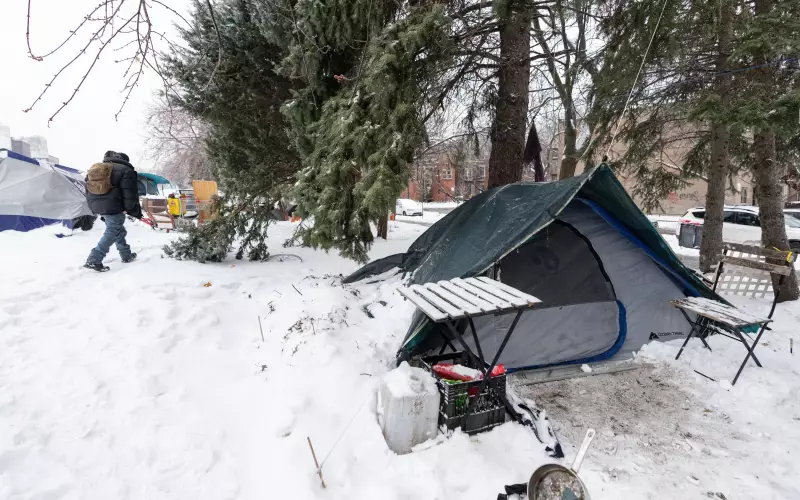
A poignant image from Tuesday, December 10, 2024, captured by photojournalist Christinne Muschi for The Canadian Press, illustrated the harsh reality of the situation. It showed a man walking past his tent, highlighting the precarious living conditions that have persisted in the area.

Details of the Emergency Measure
The warming trailers are intended to serve as temporary, heated spaces where individuals can escape the cold, especially during overnight periods when temperatures plummet. This move is part of the city's broader winter emergency protocol for its unhoused population.
While specific details on the number of trailers or their exact operational schedule were not immediately disclosed, the announcement signals a recognition of the immediate life-threatening conditions posed by a Montreal winter for those without adequate housing.
The Broader Context of Housing and Shelter
This intervention occurs against a backdrop of a persistent and complex homelessness crisis in Montreal and across many major Canadian cities. The presence of the Notre-Dame encampment itself is a visible symptom of wider issues related to housing affordability, shelter capacity, and social support systems.
The deployment of warming trailers is an emergency stopgap measure, not a long-term solution. It addresses the acute symptom of exposure but does not resolve the underlying causes of homelessness. Advocates for the unhoused often emphasize the need for more permanent supportive housing and increased access to mental health and addiction services alongside such immediate crisis responses.
By taking this step, Montreal authorities are working to prevent cold-related injuries and deaths among a population at extreme risk. The effectiveness of this measure will depend on its accessibility, the availability of support staff, and its integration with other social services aimed at providing a pathway to more stable housing.