Emergency Departments in Crisis: Alberta Physicians Demand Action on Hospital Violence
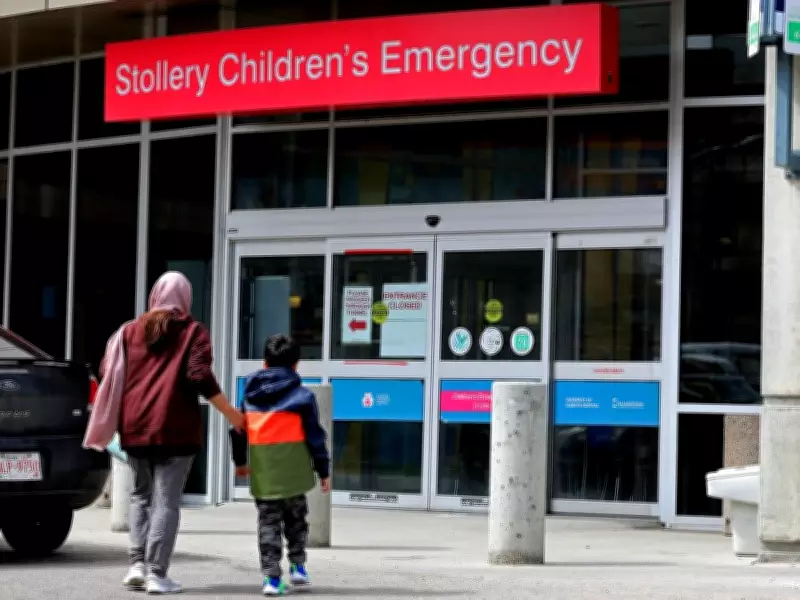
The violent incident that unfolded on April 3 at Edmonton's Royal Alexandra Hospital (RAH) captured national attention when a 42-year-old patient suffered life-threatening injuries after being stabbed by another patient in the emergency department waiting room. While described as shocking and terrifying by many, emergency physicians across Alberta say such violence has become an alarming daily reality behind a shroud of silence.
A Normalized Threat to Healthcare Workers and Patients
In recent years, the documented risk of violence toward healthcare workers and patients has escalated dramatically, creating an environment where emergency physicians and nurses work with constant underlying awareness that violence can erupt at any moment. This normalization of violence is not normal, yet it has become embedded in the hospital landscape across Alberta.
Since the RAH attack, public reassurances about safety measures being "under control" have been repeatedly issued, but the reality on the ground tells a different story. Every day, physicians and nurses across the province either leave or consider leaving their professions because they no longer feel safe in their workplaces.

Overcrowding and Prolonged Waits Fuel Dangerous Conditions
Patients arrive at emergency departments in vulnerable states, already frightened by whatever health situation brought them through hospital doors. They deserve safety while enduring prolonged wait times for care, as do the healthcare workers responsible for their treatment. When that weapon appeared in the RAH waiting room, patients had already endured wait times exceeding 11 hours.
The combination of pain, exhaustion, and seemingly infinite waits for healthcare creates volatile situations that turn emergency departments into potential powder kegs. Waiting hours and sometimes days in overcrowded waiting rooms or hallways has become normalized, but this breakdown of the healthcare system and safety net directly fuels violence.
Inadequate Safety Measures and Legislative Gaps
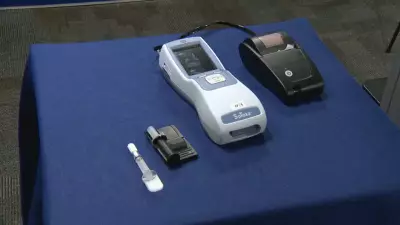
Alberta's government has announced plans to install weapons-detection systems and add more protective services officers, but physicians argue these measures must be fast-tracked immediately. These plans represent only a first step toward meaningful change. Without legislation empowering those officers to actually search for and confiscate weapons found, healthcare workers continue to be asked to medically assess people who are allowed to keep their weapons.
During the RAH incident, Edmonton police officers happened to be at the hospital and assisted on-site protective services officers. While fortunate, this reliance on luck underscores the systemic failures in hospital security. The incident was potentially lethal for everyone in the severely overcrowded waiting room, highlighting that safety cannot depend on chance presence of law enforcement.
Call for Immediate Legislative Action
It's clear something needs to change rapidly. Alberta cannot continue merely talking about creating safe healthcare environments while violence escalates daily. Safety measures alone won't address the violence whose root cause lies in the breakdown of the healthcare system. Physicians emphasize that legislation must accompany security enhancements to create truly safe environments for both patients and healthcare workers.
The time for action is now, before more healthcare workers leave their professions and before more patients become victims of violence in spaces meant for healing and care.