Adhesive Medical Tags: A 'Brilliant' Solution for Emergency Information Gaps in Canada
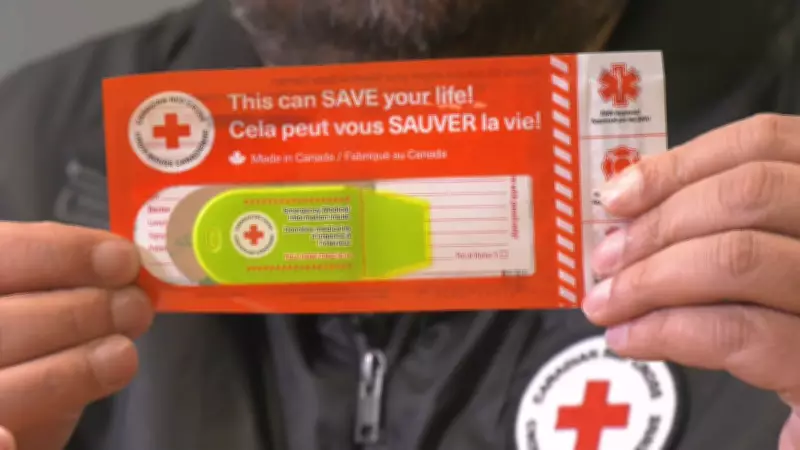
In a significant advancement for emergency medical response, the Canadian Red Cross has begun selling a novel product designed to close critical information gaps during crises. The organization introduced an adhesive medical data carrier, a simple yet potentially life-saving tag that individuals can attach to personal items like helmets to provide essential personal information to first responders.
How the Adhesive Tags Work
The adhesive tags function as portable medical records that can be easily accessed during emergencies. When someone experiences a medical crisis, first responders often face challenges obtaining vital information about the individual's medical history, allergies, medications, or emergency contacts. These tags bridge that gap by providing immediate access to crucial data that can inform treatment decisions and potentially save lives.
The Canadian Red Cross demonstrated the product in January 2026, just two months after making it available to the public. A spokesperson for the organization held up the medical data carrier, showcasing its practical design and potential applications. The timing of this innovation comes as many Canadians express concerns about emergency healthcare accessibility, with recent data suggesting significant portions of the population lack confidence in the healthcare system's ability to handle emergencies effectively.

The Importance of Immediate Information Access
In emergency situations where seconds count, having immediate access to a patient's medical information can dramatically improve outcomes. Traditional methods of carrying medical information often prove inadequate during crises—wallet cards can be lost or damaged, while digital solutions may be inaccessible due to device damage or password protection. The adhesive tag system offers a durable, visible alternative that remains with personal protective equipment or other frequently carried items.
This innovation addresses a longstanding challenge in emergency medicine: the information gap that occurs when patients cannot communicate their medical needs. For individuals with conditions like severe allergies, diabetes, heart conditions, or those taking critical medications, this information gap can mean the difference between appropriate and inappropriate treatment during the crucial first minutes of care.
Broader Context of Emergency Preparedness in Canada
The introduction of these medical data carriers occurs against a backdrop of increasing focus on emergency preparedness across Canada. From extreme weather events to healthcare system strains, Canadians are becoming more conscious of the need for personal emergency planning. The adhesive tags represent one component of a larger ecosystem of emergency preparedness tools and strategies.
While the Canadian Red Cross has taken the lead in distributing these products, their adoption could potentially influence emergency response protocols across the country. As more Canadians utilize these tags, first responders may increasingly look for and rely on them during medical emergencies, creating a new standard for personal medical information accessibility.
The development also aligns with broader technological trends in healthcare, where portable, accessible medical information systems are becoming increasingly important. As Canada's population ages and chronic health conditions become more prevalent, solutions that bridge information gaps between patients and emergency responders will likely grow in significance.